
Over two decades of traveling through Italy, I’ve seen the country evolve through a tourist’s eyes. While most flock to the West Coast, the Adriatic side offers a deep dive into history that is often less crowded but just as breathtaking. My experiences here are personal and subjective, focusing on the layers of art, music, and architecture that define the region.
Venice: La Serenissima
Venice is the undeniable crown jewel of the coast. Yes, it is crowded, but it remains a “must-see.” Beyond the iconic Piazza San Marco and the Doge’s Palace, I recommend preparing your senses before you arrive. To truly understand the Venetian soul, listen to the works of Antonio Vivaldi, the 18th-century maestro who shaped European music.
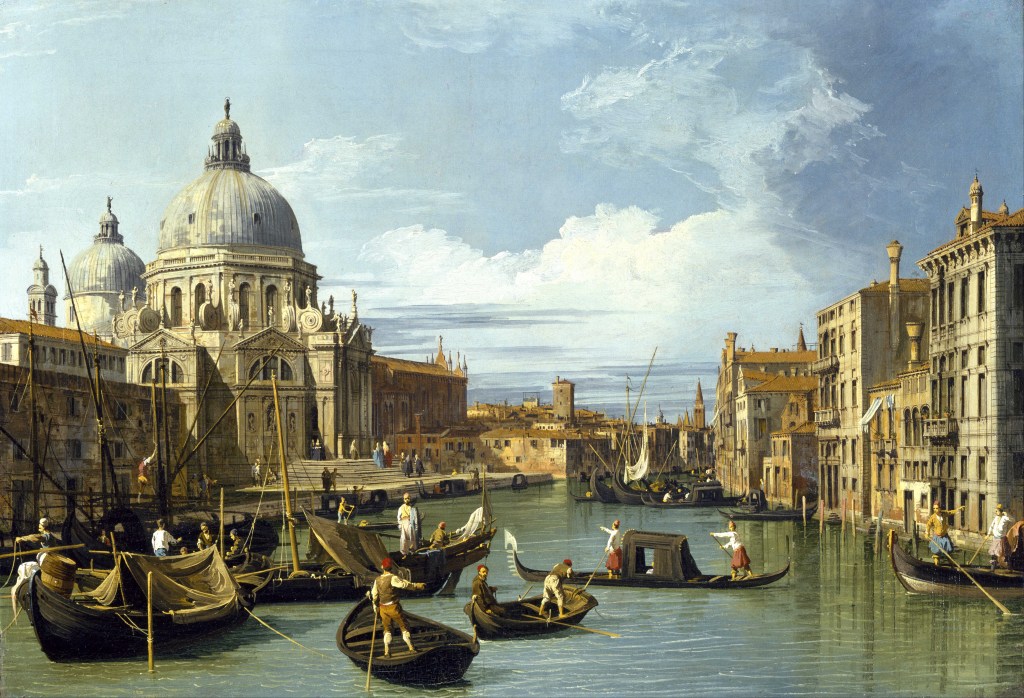
I also suggest studying the paintings of Canaletto. While Titian is the city’s most famous painter, Canaletto’s detailed 18th-century vistas allow you to compare the lagoon of 300 years ago with the city you see today.
Chioggia: The “Little Venice”
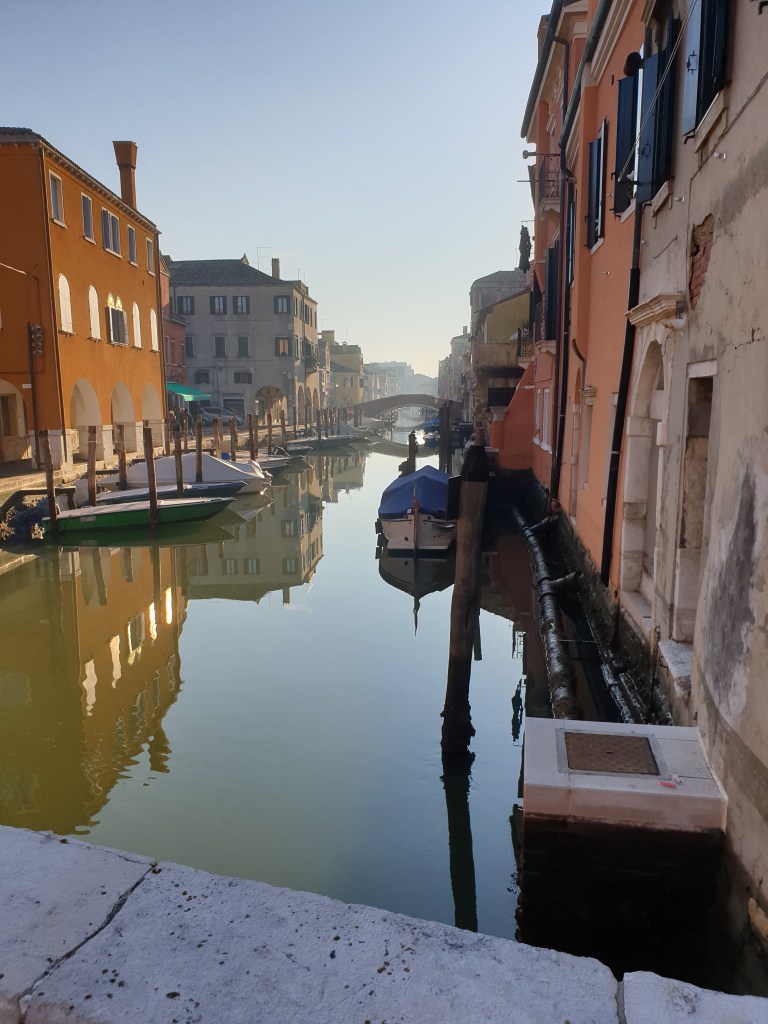
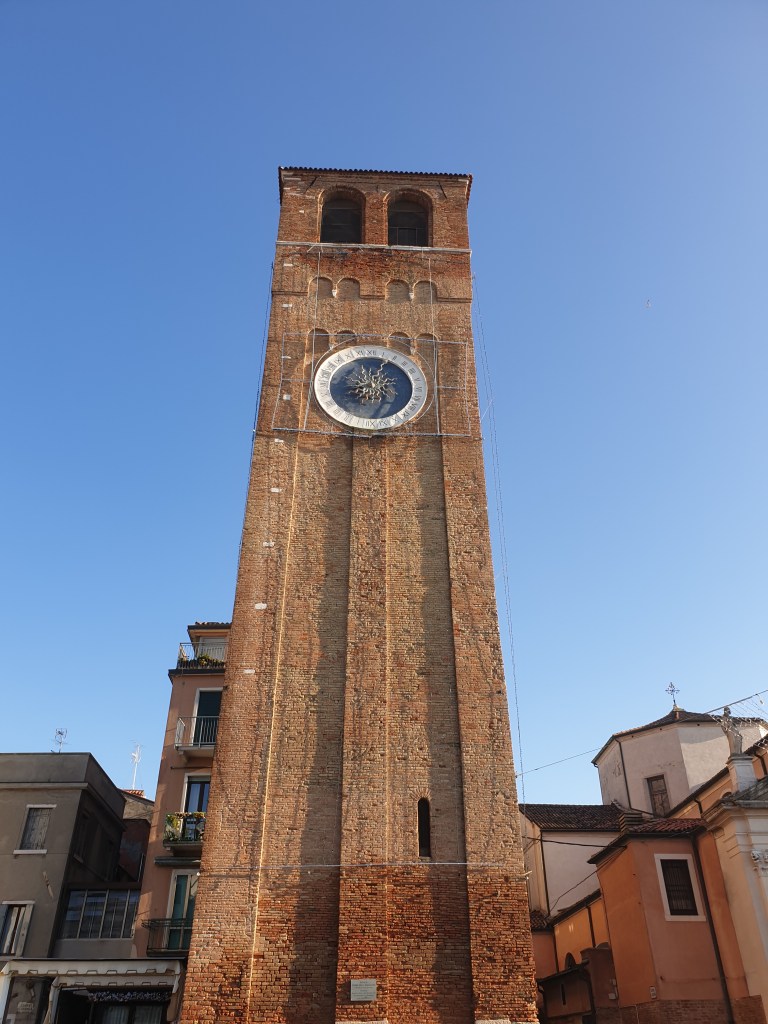
Just 25 kilometers south lies Chioggia. Often called “Little Venice,” this quieter town offers a similar canal-side charm without the massive crowds. You can visit St. Andrew’s Church; its bell tower (11th–12th century) is considered the oldest clock tower in the world. The town also inspired the 18th-century playwright Carlo Goldoni, who captured the local spirit in his famous comedies.
Ravenna: A Mosaic of Empires
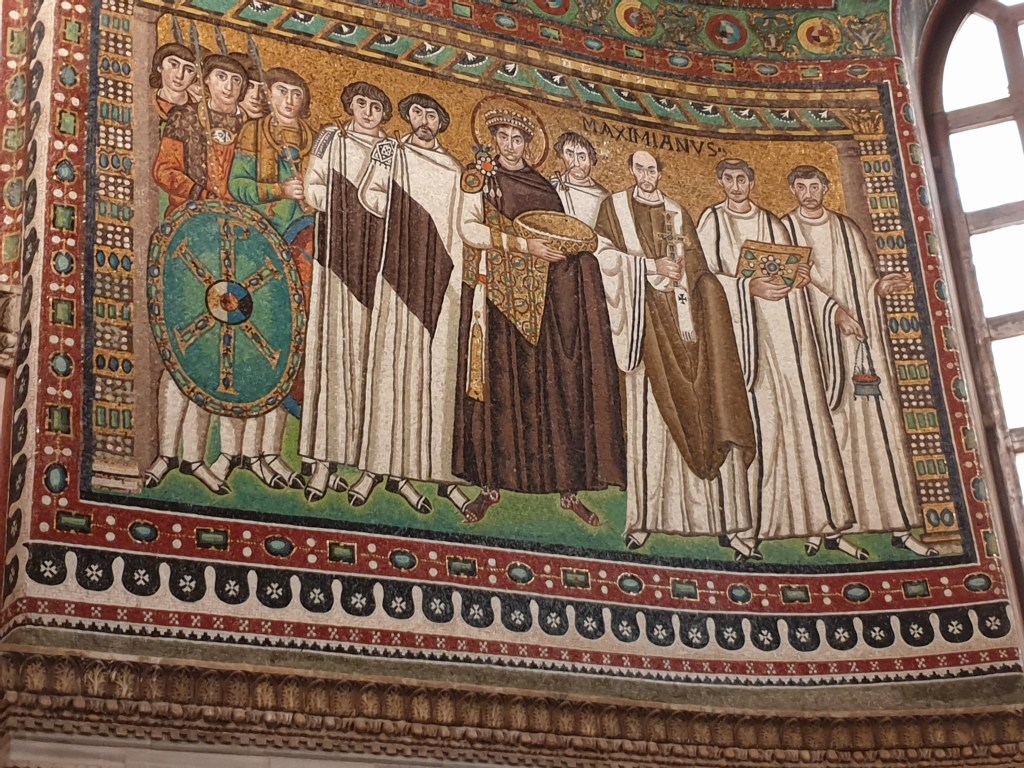
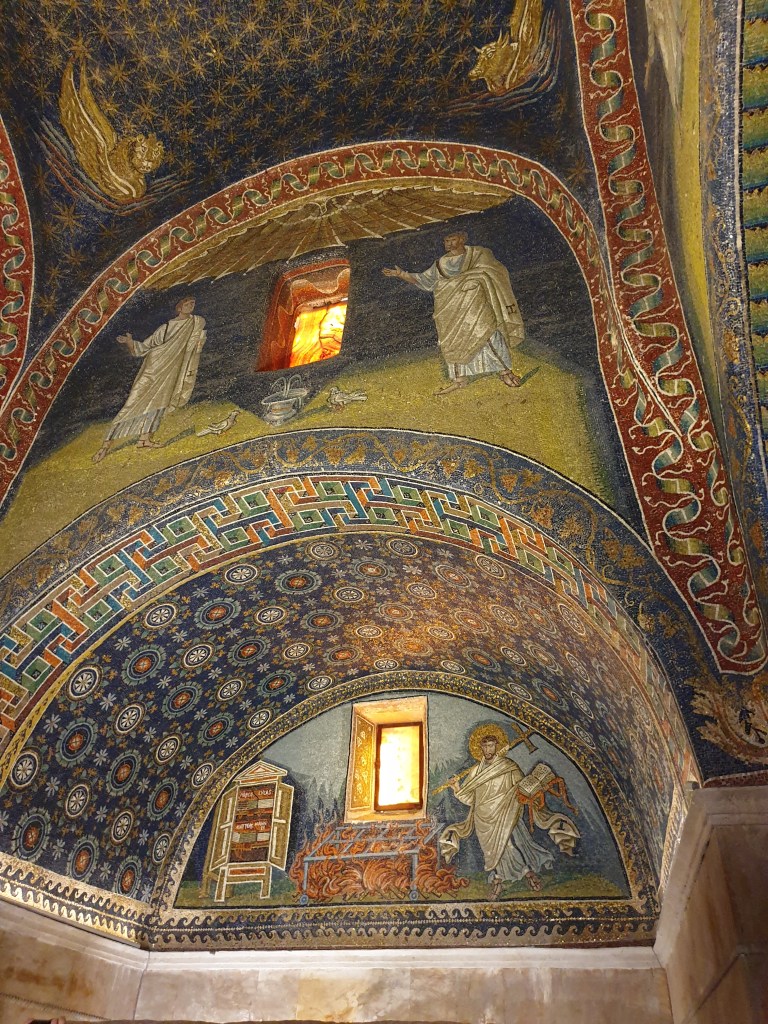
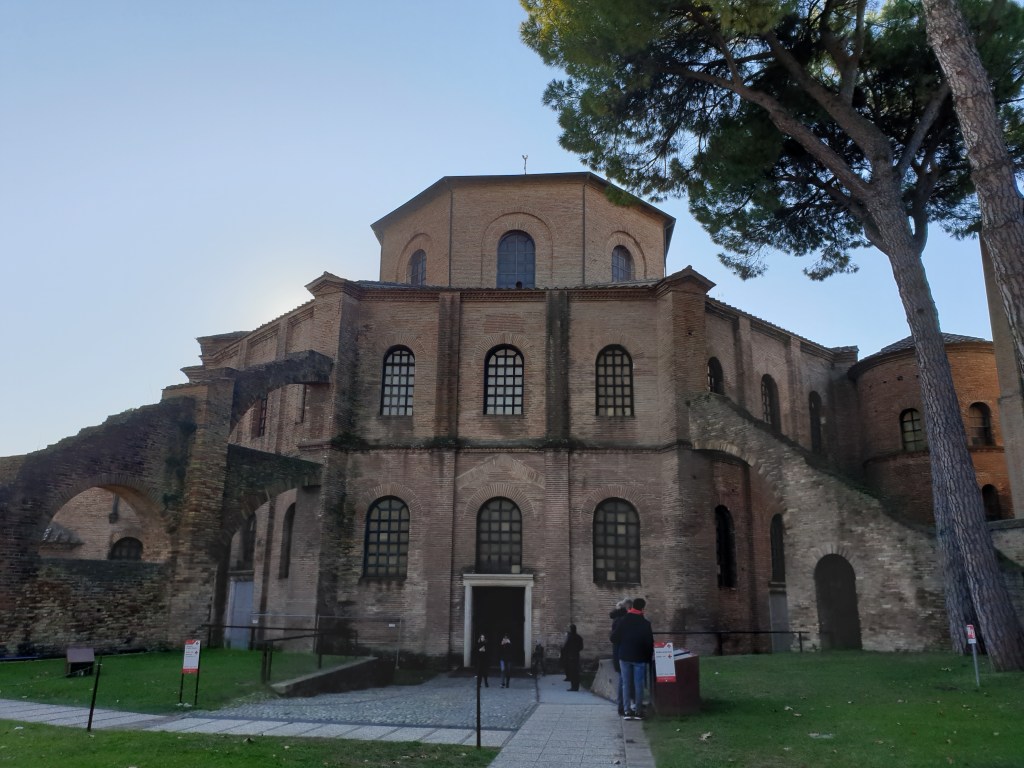
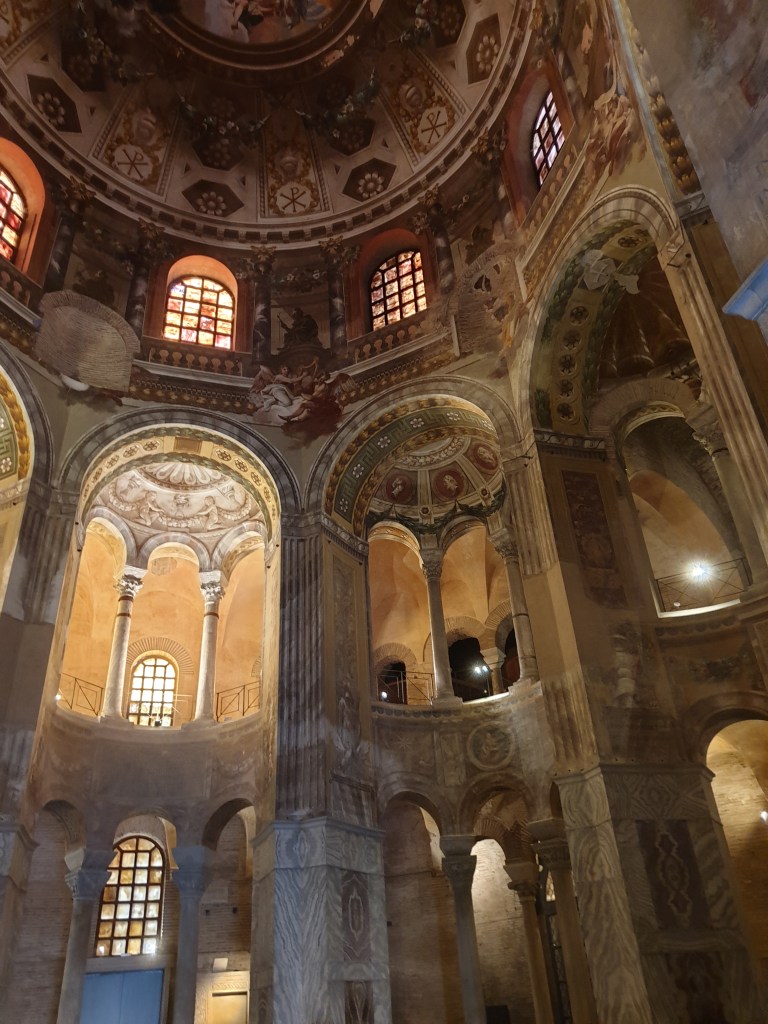
Further south, Ravenna serves as a stunning bridge between Western and Eastern Christianity. Once the capital of the Western Roman Empire and later ruled by the Byzantines under Justinian, the city is a treasure trove of 5th to 7th-century art. The Mausoleum of Galla Placidia and the Basilica of San Vitale (548 AD) left the deepest impression on me; their mosaics are simply luminous. Don’t miss the Orthodox Baptistery or the Arian Baptistery, the latter built under the Ostrogoth King Theodoric the Great. It is staggering to realize these vibrant glass mosaics have survived for over 1,500 years.
Crossing the Rubicon
Between Ravenna and Rimini, you will cross the Rubicon River. This is the site where Julius Caesar uttered the immortal words “alea iacta est” (the die is cast), before sparking a civil war. Interestingly, the river’s exact location was lost to time for centuries and was only officially identified (formerly known as the Fiumicino) in 1933.
San Marino & Rimini: From Fortresses to Film
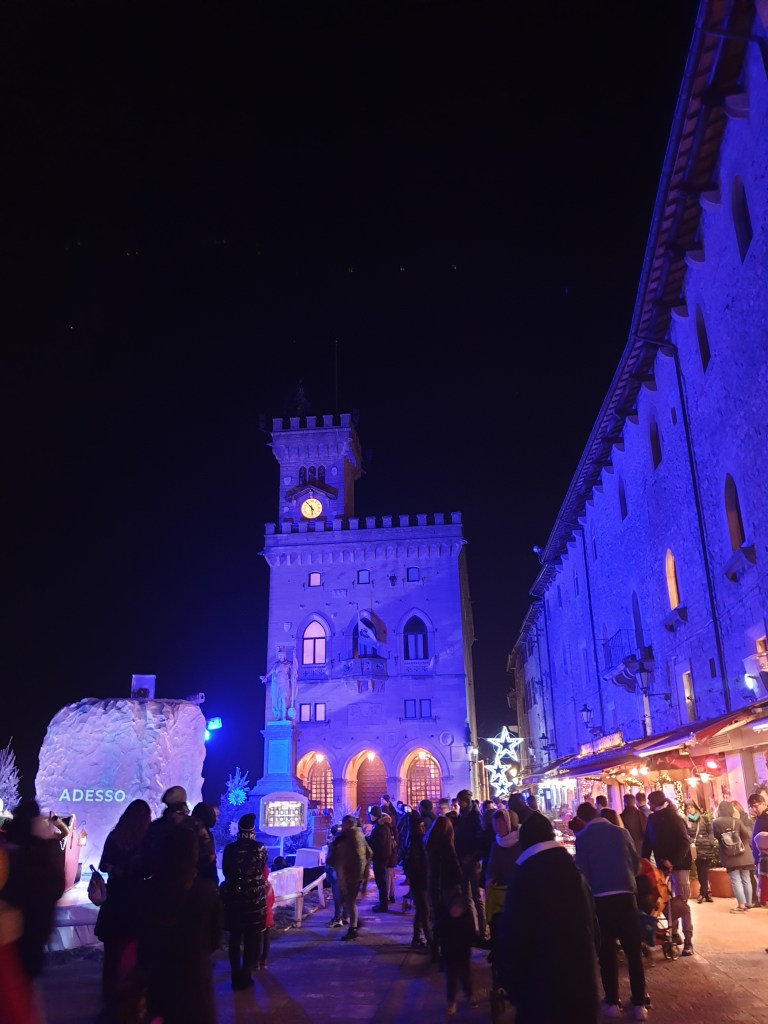
A short detour inland takes you to San Marino, one of the world’s oldest and smallest republics. The Guaita fortress atop Monte Titano looks like something out of a fairytale.
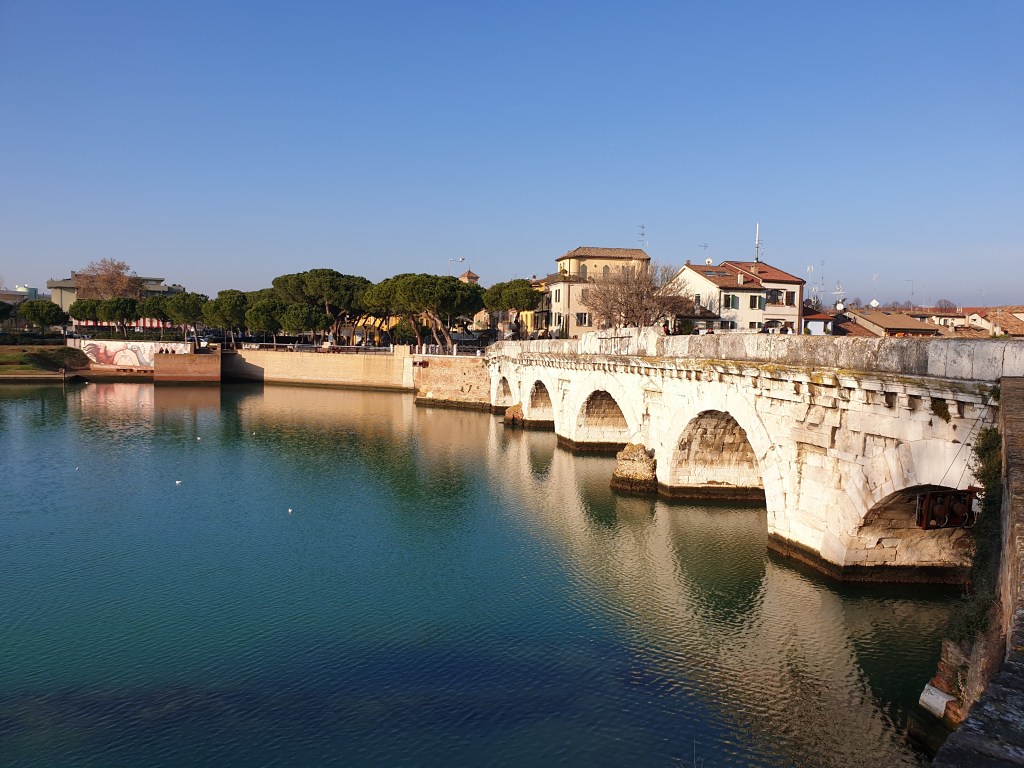
Back on the coast, Rimini is famous for summer beaches. I visited it in winter. This allowed me to focus on its Roman roots. You can still walk across the 2,000-year-old Bridge of Tiberius or view the Arch of Augustus. For cinema lovers, Rimini is the birthplace of Federico Fellini. Unfortunately, the Fellini Museum was not opened yet during my visit.
Pesaro: The Home of Rossini
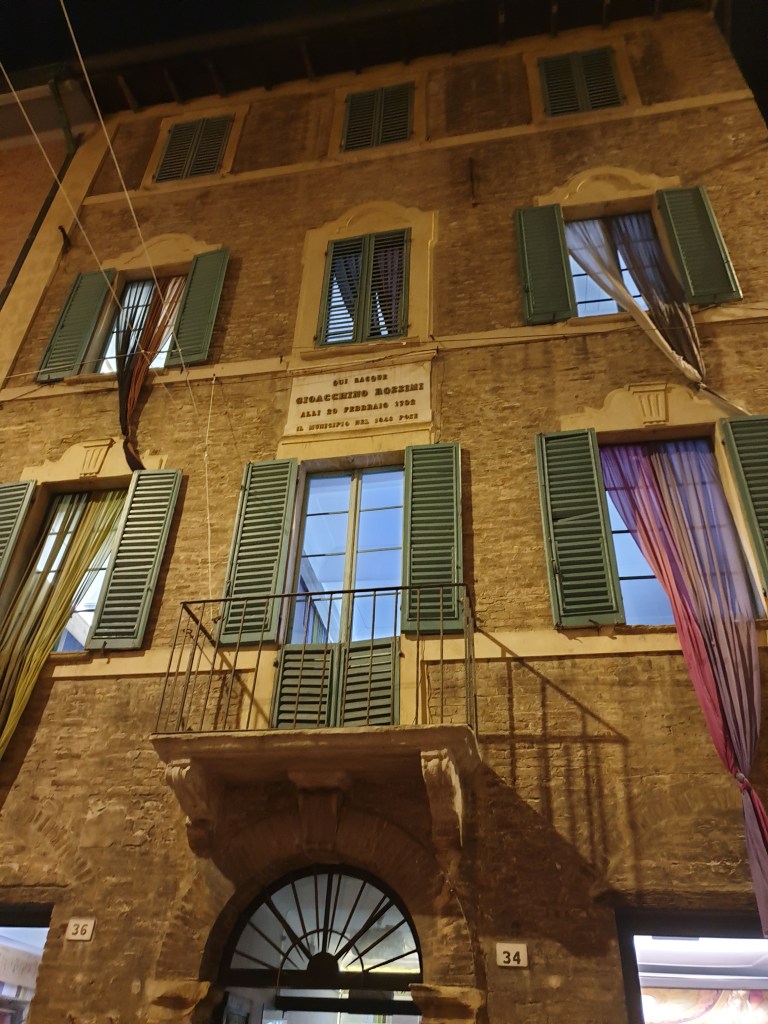
Finally, visit Pesaro, a refined, smaller version of Rimini. As a fan of Rossini’s opera overtures, I highly recommend the Rossini National Museum, located in the very house where the composer was born.
Travel Tips
- Arrival: The easiest gateways are the Venice Marco Polo Airport or Bologna Guglielmo Marconi Airport.
- Getting Around: While trains are efficient, I have rented a car for many of my Italian trips. It offers the freedom to find these hidden historical gems at your own pace.
The East Coast of Italy is more than just a coastline; it is a timeline. From the ancient Roman stones of Rimini to the shimmering Byzantine mosaics of Ravenna and the operatic echoes of Pesaro, this region offers a quieter, more contemplative beauty than the bustling west. Italy is a country that is constantly changing, but here, the layers of the past remain remarkably vivid.
 Adrian Matei's blog
You must be logged in to post a comment.