
Cardiff half-marathon is part of Superhalfs which makes it one of the most attractive races in England. Initially my thought was to run there because it’s one of the 6 half-marathons you need to finish to complete the Superhalfs series. I didn’t know much about Cardiff or the race before going there; hence, this half marathon was a pleasant surprise for me.
By the time I wanted to register for the event in Cardiff, the registration was already closed. Generally, such races sell out more than six months before the event date, so you need to plan your participation well ahead of time. For example, by October 10, 2024, the Cardiff Half Marathon for 2025 was sold out. According to the organizers, all spots were sold within 12 hours of the registration opening.
If you are late and still want to run there, you can get help from a sports travel agency. Such agencies guarantee your participation and accommodation for a fee. They may also organize training sessions and a pasta party for their clients. This time, I went with Interair, a German sports travel agency, and I was happy with their services; everything was great.

On October 6th, it was a good time to run in Cardiff, with temperatures around 12 degrees Celsius and light drizzle at the start. There was enough space to warm up before the race. The runners were organized in waves, as is normal for a half marathon with 28,000 participants.
The start is at Cardiff Castle, and the route winds through the city, including the bay area, before returning to the center and the castle. The first part of the race is either descending or flat; from kilometer 15, it starts to ascend, with some hills around kilometer 18, and towards the end, there is a significant difference in altitude.
I started with a pace of around 5:40 per kilometer and maintained that until kilometer 10 when the two-hour pacers went ahead of me. I made an effort to keep them in sight for as long as I could. By the 18th kilometer, I was confident that I could finish in under two hours. Then the small hills came, and I thought there was no way I would finish in less than two hours. Fortunately, with a final burst of energy, I finished in 1:59:58!
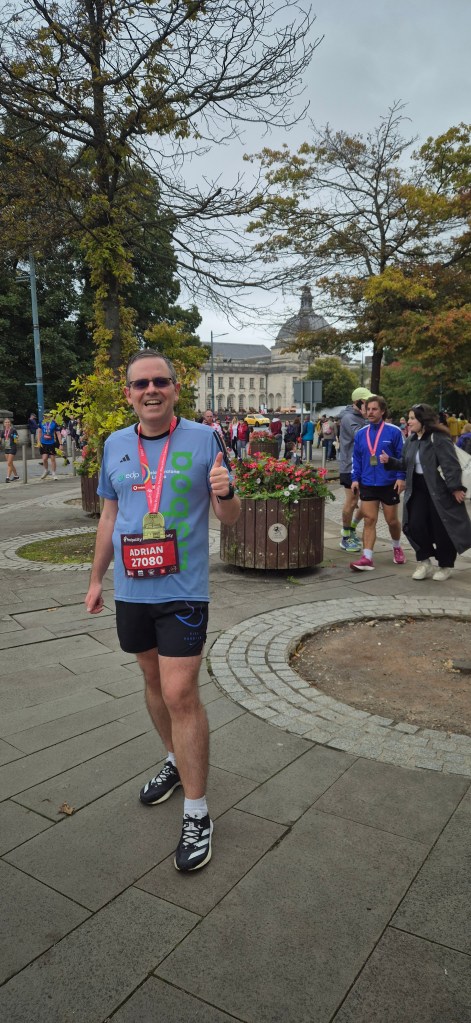
During the race, I used two GU gels and drank water twice, at kilometers 10 and 15. Water stations were available every 5 kilometers and also at kilometer 18.
One must remember that in England, races are marked in miles—13.1 miles as opposed to 21.1 kilometers in the rest of Europe. In this context, it’s useful to have an accurate GPS watch or to keep pace with the pacers if achieving a specific time is important to you.
As you can see, I’ve run many races in Europe, and I have never seen so many supporters encouraging runners as I did in Cardiff. The respect for runners is high in the UK compared to elsewhere. There were thousands of people spread over the half marathon distance, showing support for the runners. This can significantly boost one’s motivation to finish the race. I believe this played an important role in my success in finishing under two hours for the first time this year.
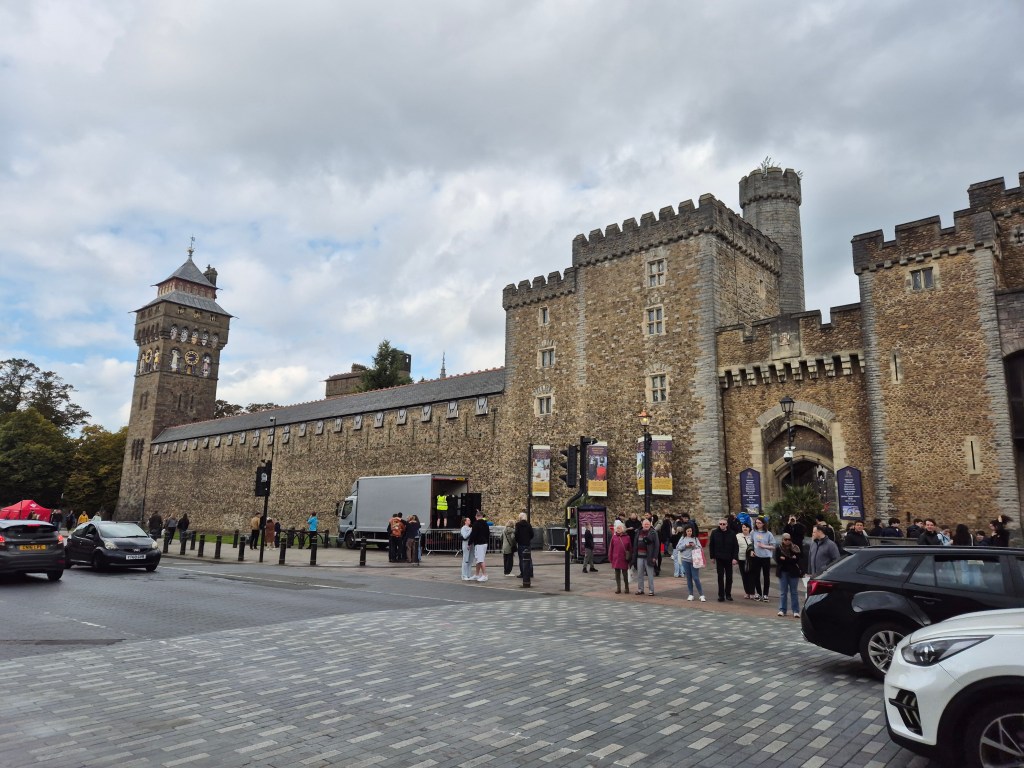
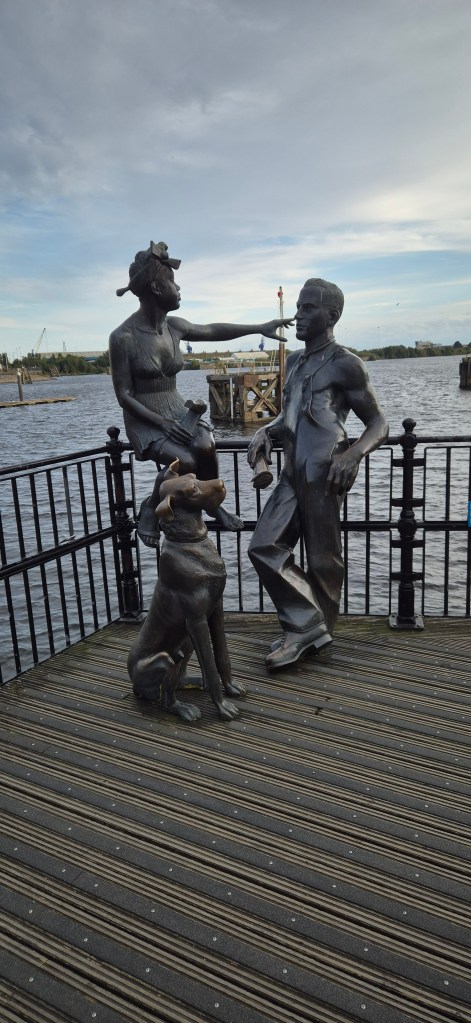
The other pleasant surprise was the city of Cardiff. The capital of Wales has a beautiful, typical British castle worth visiting. You can explore the bay area, the old market, and the city center. There is a village museum outside the city and a cathedral, but I did not have time to see them. There are nice restaurants and many people partying during the weekend.
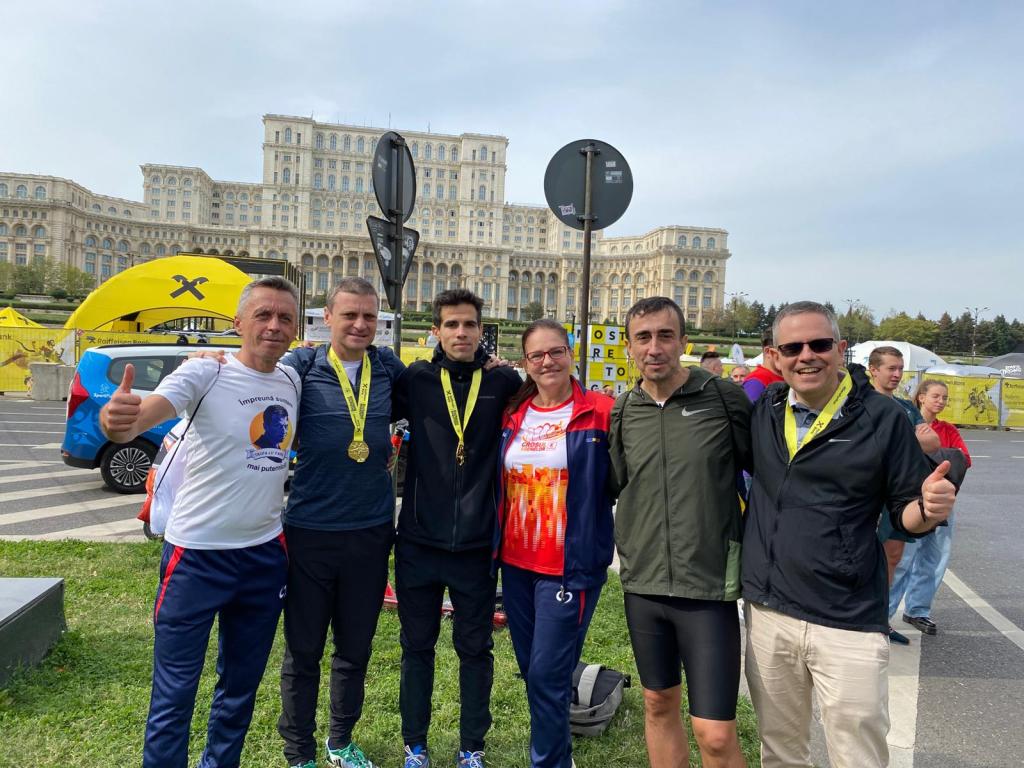
The weekend after Cardiff, I traveled to Bucharest to watch the Bucharest Marathon and encourage my colleagues from “Trupa Lui Fane”. They achieved great results, with four of them finishing the marathon in less than three hours! That reflects a lot of hard work and training. There were also good results in the 10K, half marathon, and relay races. Many thanks to our coach, Stefan Oprina, who has been training me remotely for the last four years!
Cardiff was a great experience, and I encourage you to try it; it will be fun!
 Adrian Matei's blog
You must be logged in to post a comment.