
Running becomes increasing popular in Europe. Milano has two important half-marathons, Stramilano in March and Milano21 in November. Both are flat, fast courses and are considered among the best routes in Italy. This year, Milano21 saw over 6,000 finishers, a 33% increase compared to the previous edition.
For years, Italy wasn’t a top destination for foreign runners due to a law requiring all participants in long-distance races to present a medical certificate. This rule was introduced after studies showed that improperly trained runners had a higher risk of heart attacks during long-distance events. However, since last year, foreign runners are no longer required to provide a medical certificate. Unfortunately, they aren’t included in the official rankings, which seems unfair, given they run under the same conditions as everyone else.
The race organization was solid, offering everything needed for a good half-marathon experience. However, the atmosphere was quite relaxed, with relatively few spectators lining the streets. On race day, temperatures ranged between 3°C and 5°C, cold but manageable for running.
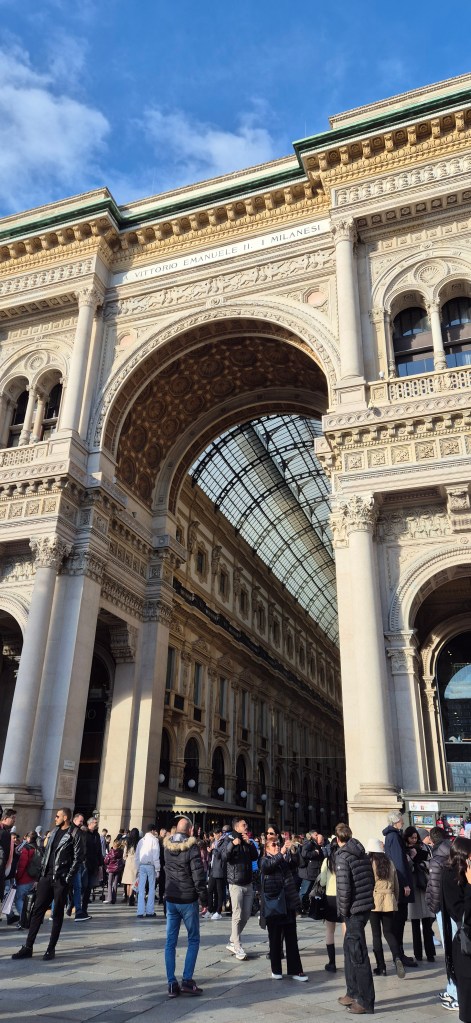


The Milano21 route showcases some of Milan’s most iconic landmarks, including Galleria Vittorio Emanuele II, the Duomo, and Sforza Castle. While the course design highlights the city’s attractions, about three kilometers are on cobblestones, which can be challenging, especially if wet. Personally, I prefer running on flat asphalt rather than uneven cobblestones. If you want to visit the attractions you have time to do that before of after the race.
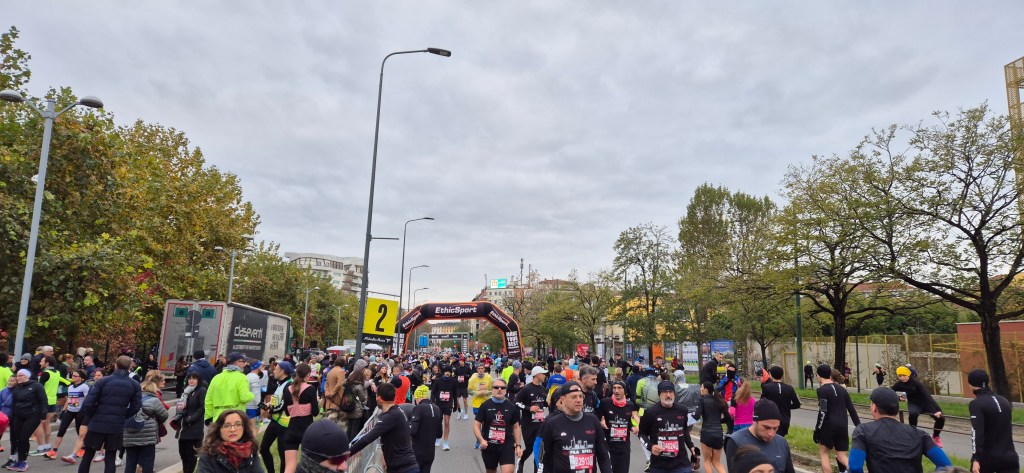
The race’s start and finish were conveniently located near a shopping mall, allowing runners to store their belongings securely. My colleague Bobo and I stayed at a hotel just one kilometer from the starting line, making it easy to arrive on time. Although the November morning was colder than expected, we had ample space and time to warm up.
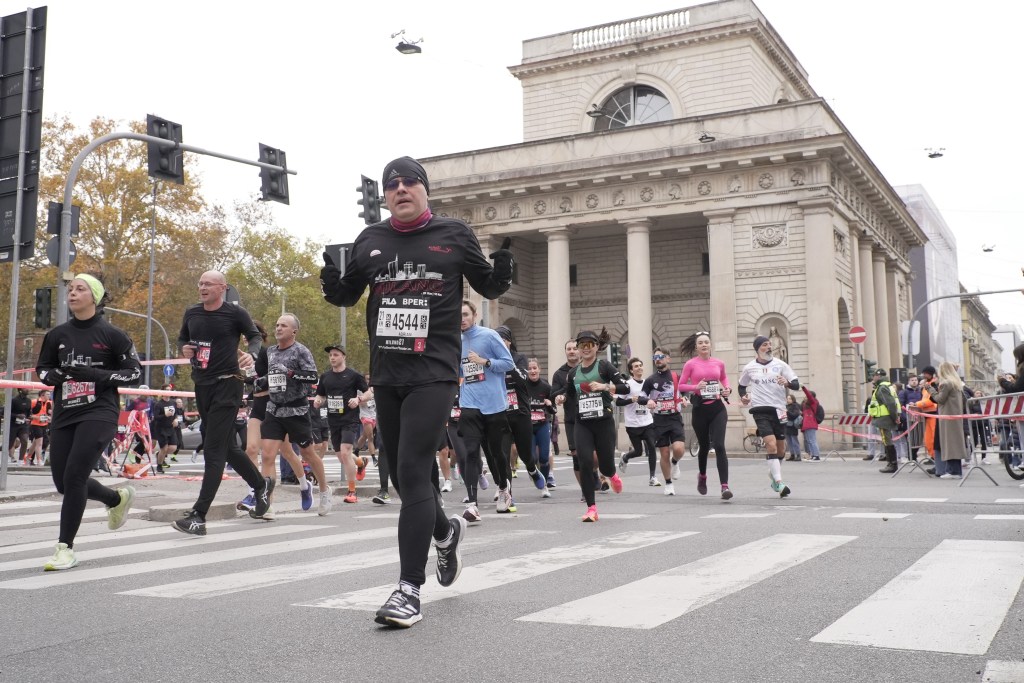
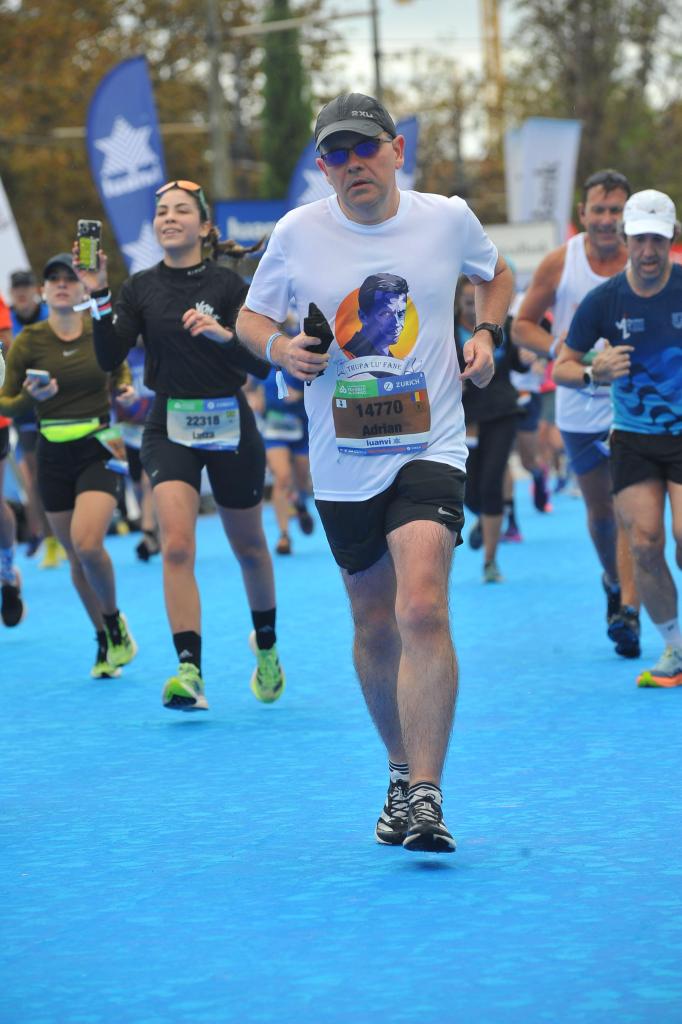
I started the race too fast, keeping pace with the 1:55 pacers for the first five kilometers. My optimism got the better of me, and I paid the price in the second half of the race. This time, I experimented with a new strategy, using three Maurten gels at kilometers 6, 12, and 18, and drinking water at kilometers 5 and 10. While the gels helped reduce discomfort, they weren’t miracle workers. Towards the end, I slowed down and finished in 2:04:30.

The race itself was quite fast; I finished around 5000th out of 6000 runners. As mentioned earlier, I wasn’t included in the official rankings, but the organizers provided a list of all finishers’ times, so you can calculate your position if you’re curious. Although my time wasn’t exceptional, I was relieved to complete the race without any health issues. This autumn, I discovered I have lactose intolerance and took steps to avoid complications during the race, which paid off.

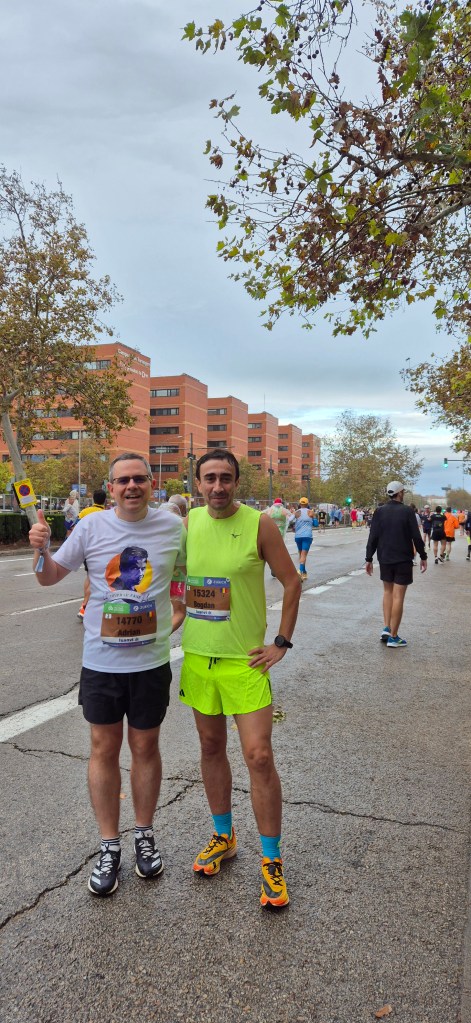
My colleague Bobo had an excellent performance after setting a personal best in Valencia. He completed the race in 1:44:15, a great result for him. A funny moment occurred during the race when a tram turned onto the course, and the police briefly stopped runners to let it pass. Similarly, a police car crossed paths with the runners, adding an unexpected twist to the race!

Milano21 was my final race of 2024, marking a personal milestone of completing six half-marathons in one year. From an organizational perspective, if you’re considering running a European race, here’s my ranking from best to worst: Valencia, Cardiff, Milan, Lisbon, Helsinki, and Prague. Keep in mind that the growing popularity of these events means you need to register months in advance. Even Milano21 was sold out before race day.

For now I am back to running on the treadmill until spring when I’ll run in Rome and Berlin. Traveling for races is such a rewarding experience, it not only boosts physical fitness but also significantly improves mental well-being. Running and visiting Milano was fun!



 Adrian Matei's blog
You must be logged in to post a comment.