
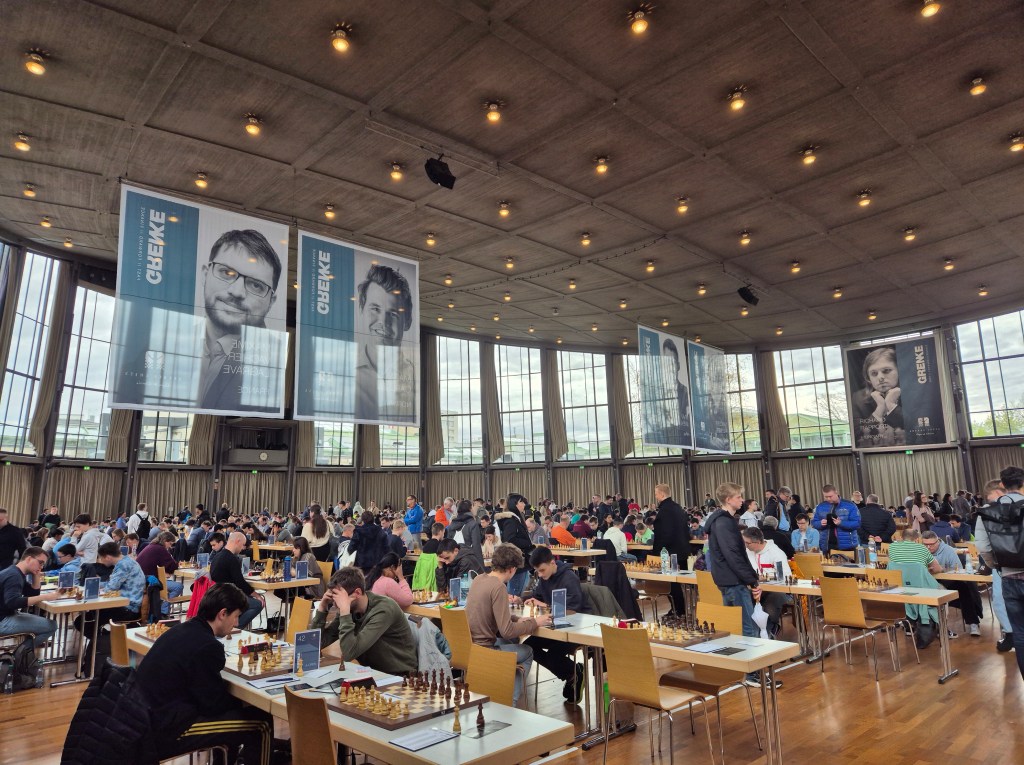
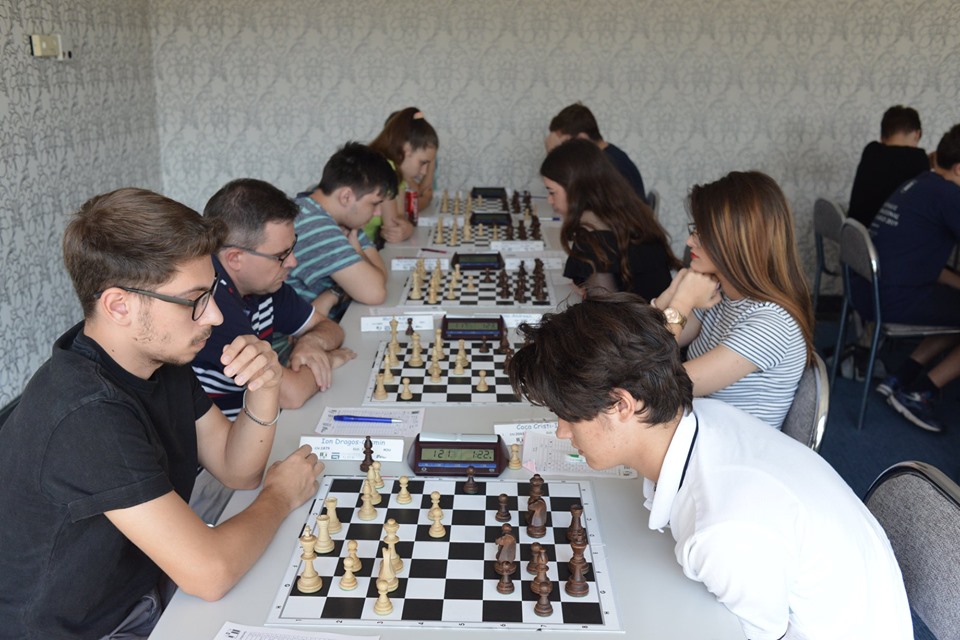
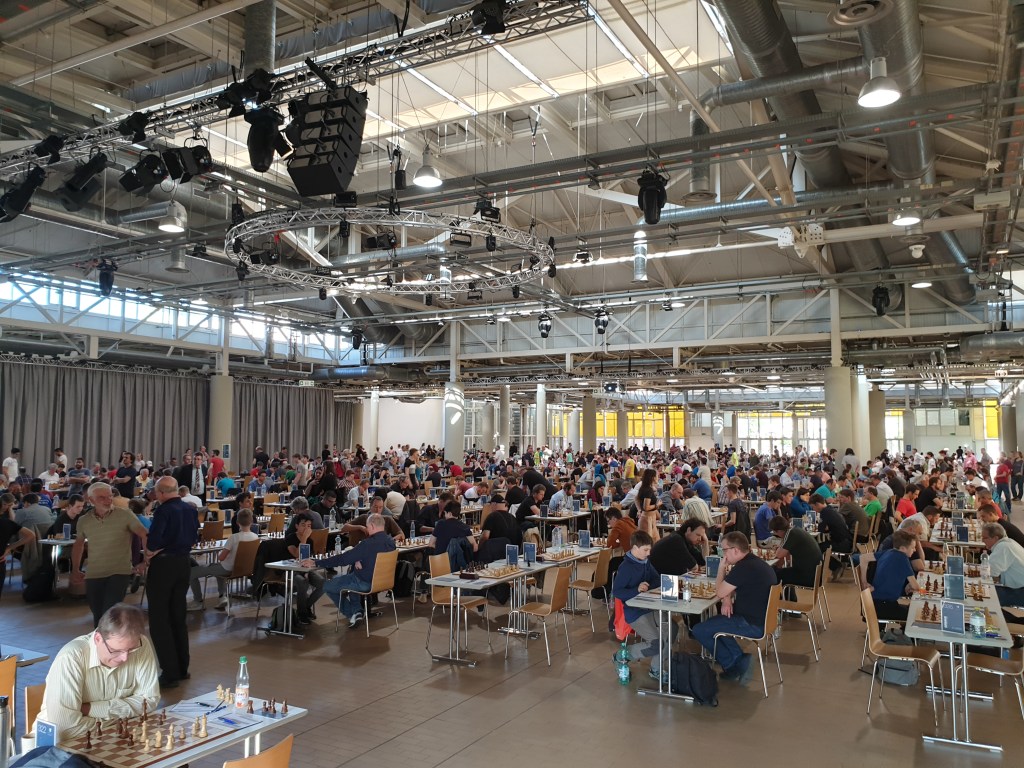
In the second half of June, I participated in the 35th edition of the International Chess Championship of Małopolska. It was held once again at the Galaxy Hotel in Kraków. This marked my third appearance at the tournament, following my previous participations in 2022 and 2024. The organization was excellent, just like in past editions, nothing to complain about.
The time control was classical. Each player had 90 minutes for the entire game. An additional 30 seconds was added per each move. As a result, many games stretched to four hours or even longer.
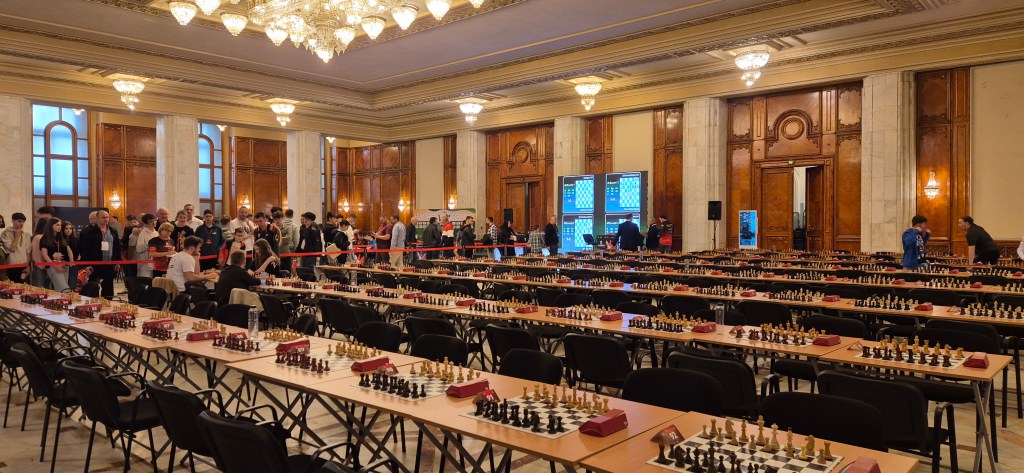
This year, the number of participants dropped to 270, compared to 390 last year. I’m not sure what caused the decrease. The playing conditions remained unchanged, and given that a tournament I attended last month in Bucharest had a record turnout, I doubt there’s a general decline in interest in chess. The dip might be connected to the recent underwhelming performances of Poland’s top chess players. This could have reduced national enthusiasm. Nevertheless, this is purely speculative.

This time there were less chess players from Ukraine compared to last year. They wore the T- shirts of the Lvov chess club. They also looked more sad, the long war is influencing the lives of the young people in Ukraine.
I played in Tournament B. It consisted of seven rounds over four days. There were two games per day, except for the final day, which featured only one round. My opponents were all young Polish players aged 16 to 23. I was pleasantly surprised by their excellent command of English. It’s encouraging to see how widespread English has become among younger generations in the EU.

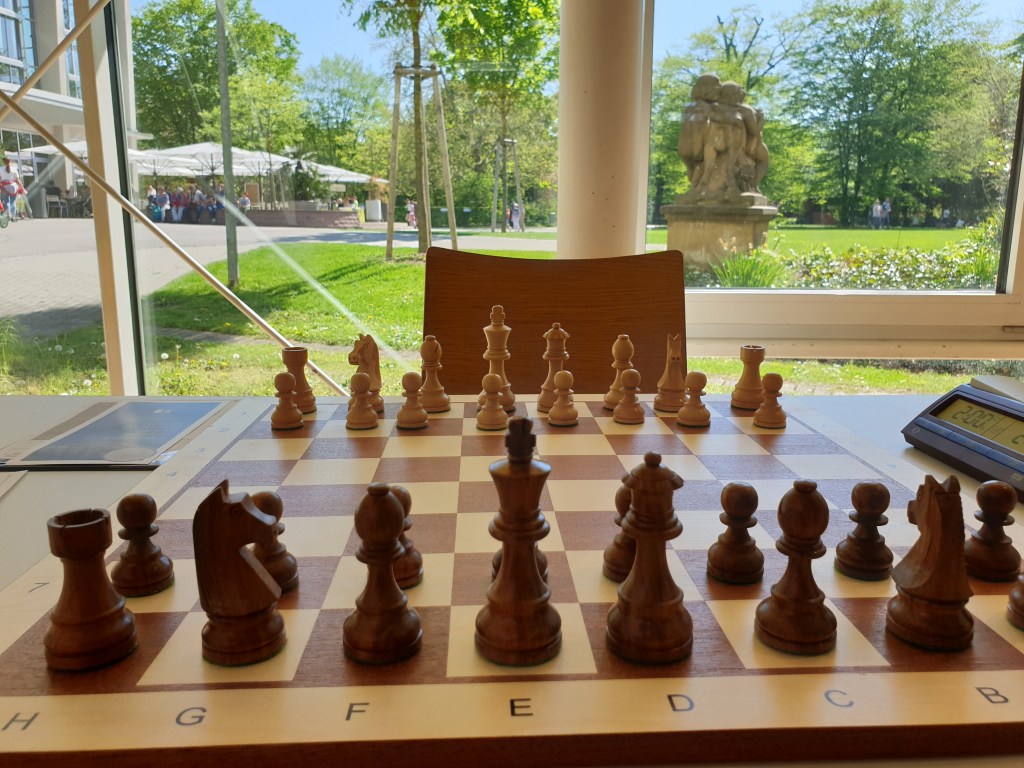
I approached this year’s tournament with a relaxed mindset, aiming to enjoy the experience and create complicated, fighting positions. I started well, scoring two points in my first two games. In round three, I lost a dynamic battle against the eventual tournament winner. This was followed by a sharp draw in round four, leaving me with 2.5 points—already a better result than in my previous two participations. I added another win in round five, but unfortunately lost the final two games. The last round was particularly frustrating. I had a clear path to a draw. However, I overpressed for a win and ended up losing.
In 2022, I finished with 2 points. In 2024, I managed 2.5. This year, I scored 3.5—noticeable progress despite the fact that, generally, age doesn’t help one’s chess performance. What changed?

I didn’t train more. I didn’t exercise more. I firmly believe the difference was sleep. Over the last couple of years, I’ve found that I sleep significantly better when there’s no light in the room. I also sleep better when there’s no sound. I now sleep with an eye mask and earplugs, and the improvement in the rest has been remarkable. Chess, with its high cognitive demands, is a great way to measure mental sharpness. My performance this year supports the idea that better sleep leads to better results.
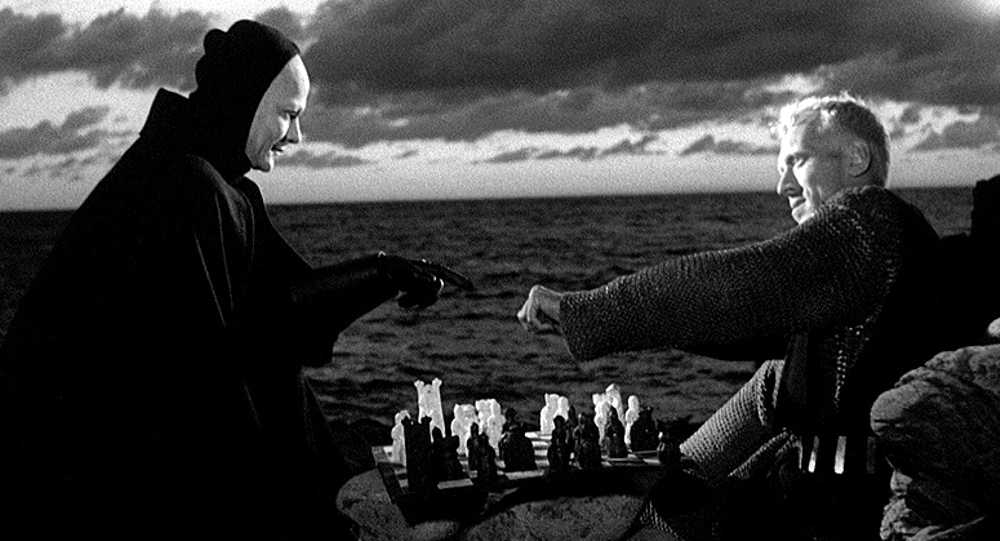
Chess has great benefits. It effectively trains the mind, much like physical exercise strengthens the body. The results of physical training are visible. Mental training is subtler, but no less important. And in my case, definitely more enjoyable than running marathons.












 Adrian Matei's blog
You must be logged in to post a comment.