
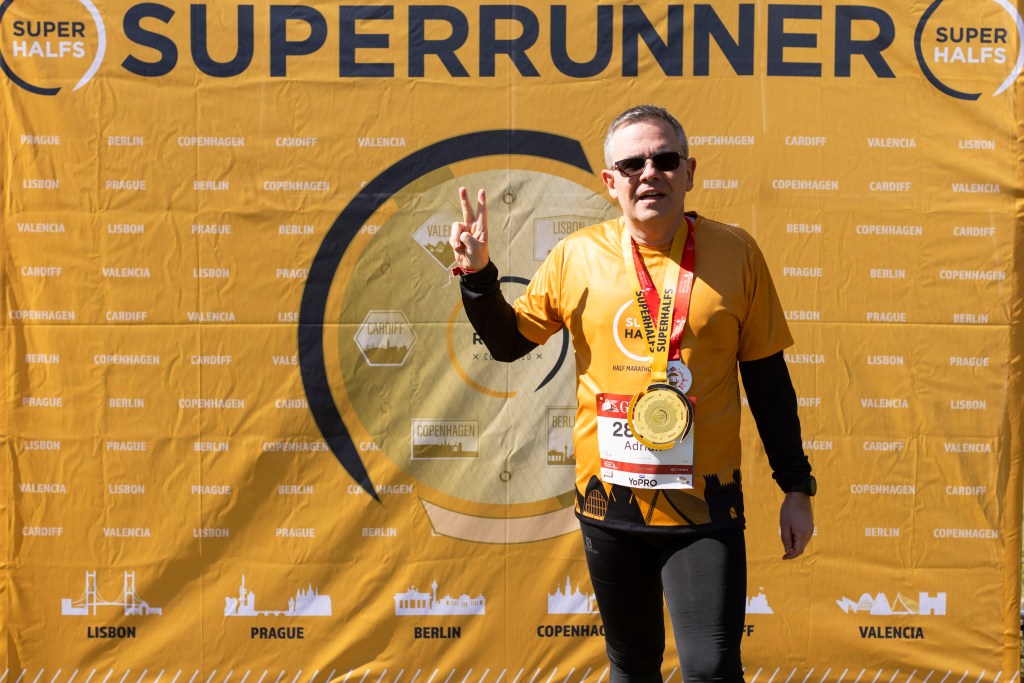
The SuperHalfs program has grown rapidly in popularity. With increasing demand and limited slots available for each race, the organizers have removed the time limit to complete all six events in the series. This move allows more runners to gradually work toward finishing the series over time.
As of May 2025, only 1,113 runners have completed the entire series. This is an impressively small number. Nearly 100,000 people have participated in at least one of the six races. Given these numbers, I thought it might be helpful to share my personal journey and offer some insights for aspiring SuperHalfs finishers.
While you can find the list of finishers on the official SuperHalfs website, gathering deeper data requires some effort. I used ChatGPT to generate code that helped me analyze the number of finishers by country. Here are the results:
| Country | Number of finishers |
| Spain | 193 |
| Great Britain | 185 |
| Germany | 136 |
| Denmark | 100 |
| Portugal | 92 |
| Italy | 74 |
| Czechia | 42 |
| France | 38 |
| Poland | 28 |
| Netherlands | 26 |
| Brazil | 22 |
The numbers are interesting. Not a surprise that Spain and Great Britain are on top. In Spain people run fast, they have half-marathons with 2.5 hours time limit to finish, while in the rest of Europe is 3 hours. The UK, meanwhile, has a rich running culture and offers wonderfully organized races. I highly recommend racing in the UK for an unforgettable experience. The first 5 countries from the list are also organizing races from series. Italy is the first country that has many finishers but doesn’t have a race in the program. Interesting Brazil is the only non European country that has many finishers.
Before the Berlin Half-Marathon this spring, only about 480 people had completed the series. Berlin added nearly 700 new finishers in one go, largely because it was newly included in the program just last year.
The SuperHalfs calendar includes three spring races—Lisbon, Prague, and Berlin—and three autumn races—Copenhagen, Cardiff, and Valencia. Since 2025, demand has surged, and most events now use a lottery system to allocate entries.
If you’re not lucky in the lottery, there’s an alternative: official travel agencies offer guaranteed race entries. I used one of these agencies—Germany’s Interair—for the Cardiff Half-Marathon when I joined the event late and couldn’t find an open spot. Their service was excellent.
If you are not lucky winning the lottery, you can use one official travel agency. This agency will guarantee your participation in the race. I had used a travel agency only once during my campaign for the Cardiff half-marathon. I decided to join this race too late and there were no available spots. I used the services of the German travel agency Interair and I was very happy with them.
I’ve written posts about my experiences in each of the six races. Here are a few personal impressions:
- Top Picks: For me, the best races are Valencia and Berlin. Both offer outstanding organization and scenic, fast courses—ideal races to conclude your series on a high note.
- Cardiff: A very well-organized race with amazing crowd support. However, the course is not flat. It is less ideal if you’re chasing a personal best.
- Copenhagen: The course is flat, but I had some concerns when I ran it in 2022. The start was chaotic because there were no wave starts. The course became crowded. Pedestrians were crossing in front of runners, especially in the city center. The finish area was also quite congested. Hopefully, these issues have since improved.
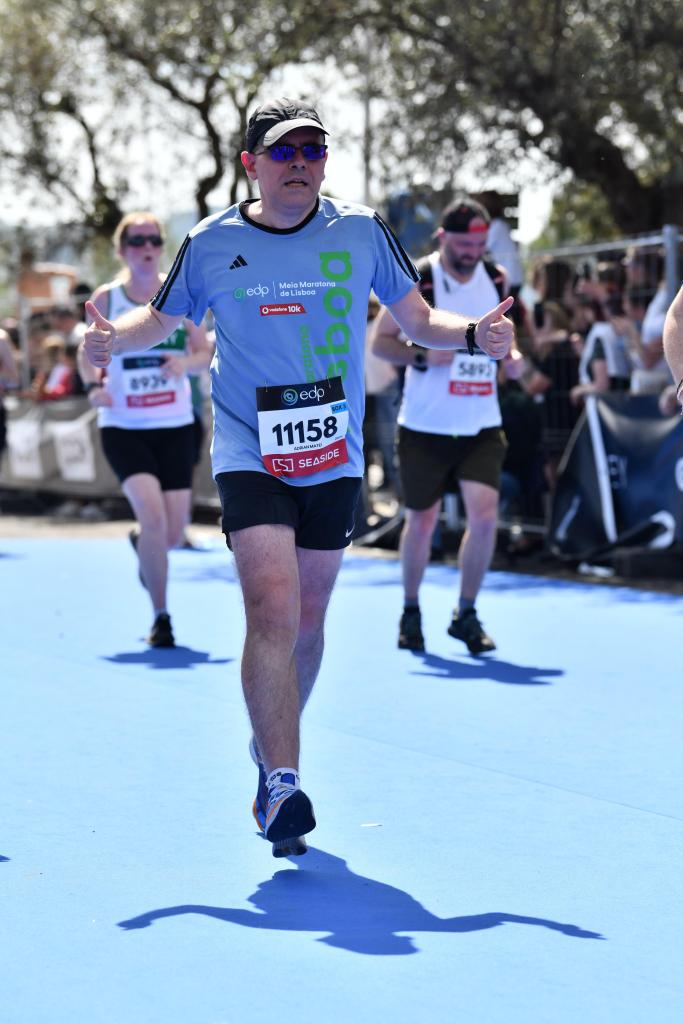
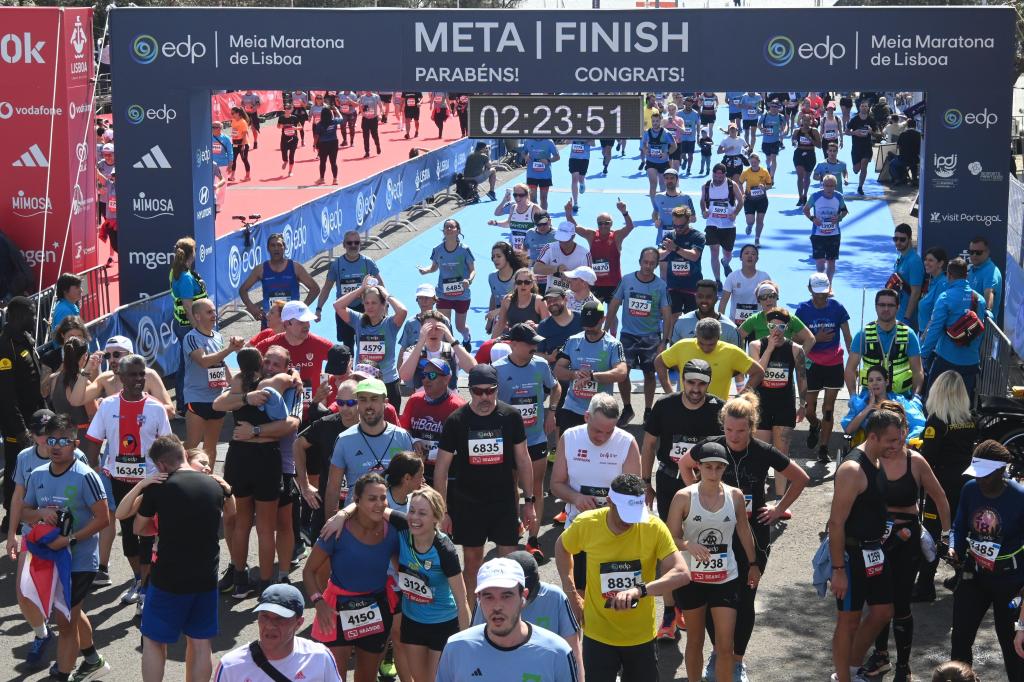
- Lisbon: Be mindful of the weather—it can get hot. The course begins with a downhill section, then transitions into rolling terrain before flattening out from kilometer 7 onward.
- Prague: My least favorite race. The course includes cobblestone sections in the city center, which can be tough on the legs. Weather can also be unpredictable. A simple way to improve the course would be to extend the riverside sections and avoid the city center altogether. Interestingly, Prague also has the smallest field of runners among the six races.
Here are some highlights of Superhalfs races. Best finish is in Berlin. Valencia has the best atmosphere. It also has the best organization at the start. Cardiff boasts the best public. The best routes are in Valencia and Berlin.
The SuperHalfs program is a fantastic way to combine travel, fitness, and personal achievement. Running a half-marathon isn’t about proving anything to others – it’s a personal journey. And this series makes that journey unforgettable.
If you’re considering joining, act fast. As the series continues to gain traction, getting a spot will only become more challenging.


 Adrian Matei's blog
You must be logged in to post a comment.