Cardiff half-marathon

Cardiff half-marathon is part of Superhalfs which makes it one of the most attractive races in England. Initially my thought was to run there because it’s one of the 6 half-marathons you need to finish to complete the Superhalfs series. I didn’t know much about Cardiff or the race before going there; hence, this half marathon was a pleasant surprise for me.

By the time I wanted to register for the event in Cardiff, the registration was already closed. Generally, such races sell out more than six months before the event date, so you need to plan your participation well ahead of time. For example, by October 10, 2024, the Cardiff Half Marathon for 2025 was sold out. According to the organizers, all spots were sold within 12 hours of the registration opening.

If you are late and still want to run there, you can get help from a sports travel agency. Such agencies guarantee your participation and accommodation for a fee. They may also organize training sessions and a pasta party for their clients. This time, I went with Interair, a German sports travel agency, and I was happy with their services; everything was great.

Before the race

On October 6th, it was a good time to run in Cardiff, with temperatures around 12 degrees Celsius and light drizzle at the start. There was enough space to warm up before the race. The runners were organized in waves, as is normal for a half marathon with 28,000 participants.

The start is at Cardiff Castle, and the route winds through the city, including the bay area, before returning to the center and the castle. The first part of the race is either descending or flat; from kilometer 15, it starts to ascend, with some hills around kilometer 18, and towards the end, there is a significant difference in altitude.

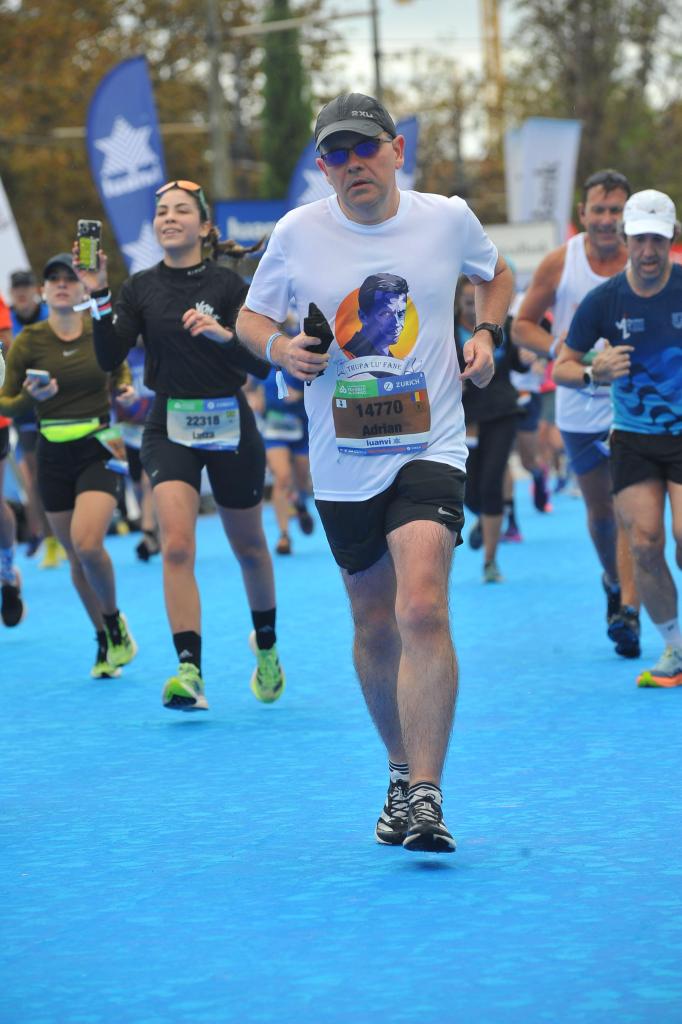
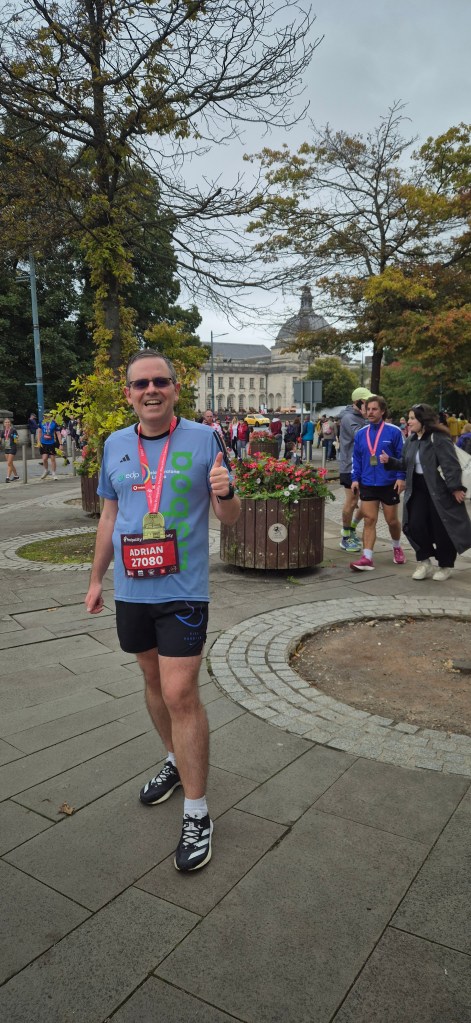
I started with a pace of around 5:40 per kilometer and maintained that until kilometer 10 when the two-hour pacers went ahead of me. I made an effort to keep them in sight for as long as I could. By the 18th kilometer, I was confident that I could finish in under two hours. Then the small hills came, and I thought there was no way I would finish in less than two hours. Fortunately, with a final burst of energy, I finished in 1:59:58!

After the race

During the race, I used two GU gels and drank water twice, at kilometers 10 and 15. Water stations were available every 5 kilometers and also at kilometer 18.

One must remember that in England, races are marked in miles—13.1 miles as opposed to 21.1 kilometers in the rest of Europe. In this context, it’s useful to have an accurate GPS watch or to keep pace with the pacers if achieving a specific time is important to you.

As you can see, I’ve run many races in Europe, and I have never seen so many supporters encouraging runners as I did in Cardiff. The respect for runners is high in the UK compared to elsewhere. There were thousands of people spread over the half marathon distance, showing support for the runners. This can significantly boost one’s motivation to finish the race. I believe this played an important role in my success in finishing under two hours for the first time this year.

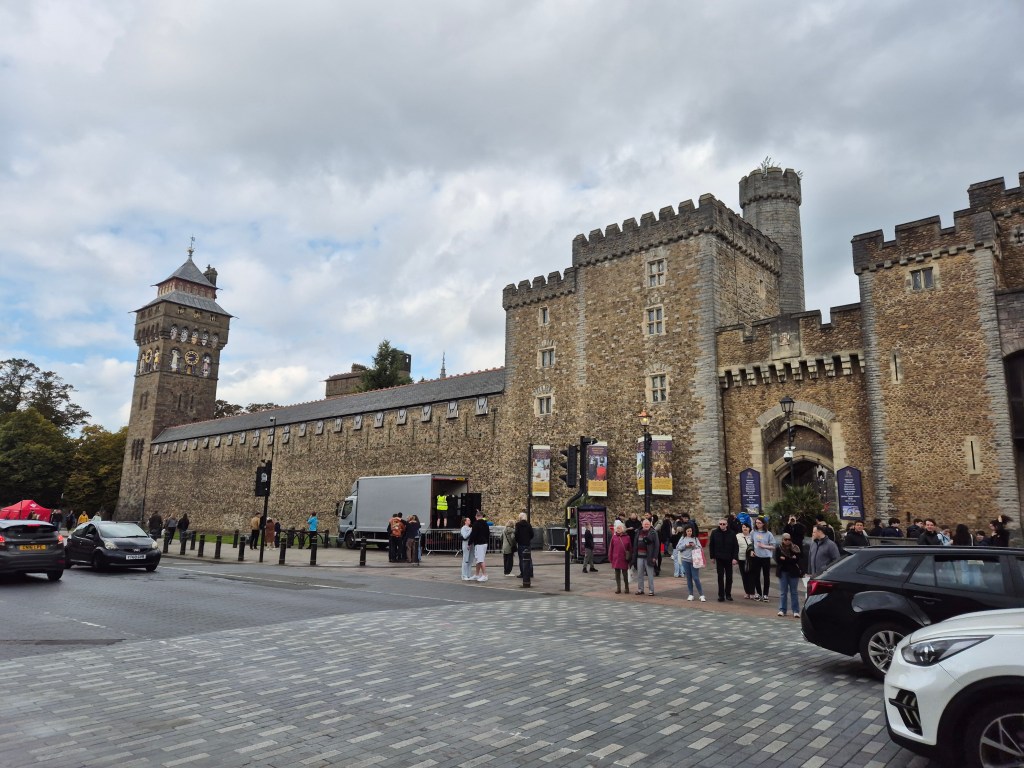
Cardiff Castle

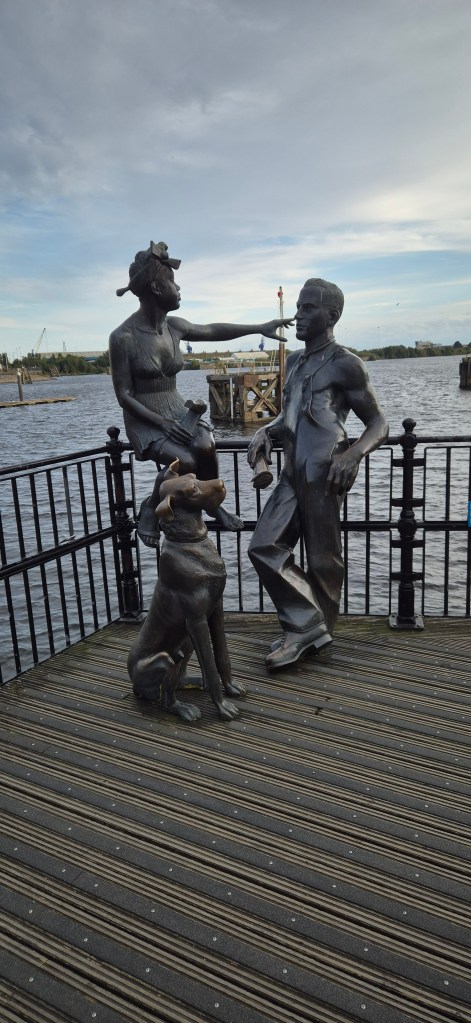
The other pleasant surprise was the city of Cardiff. The capital of Wales has a beautiful, typical British castle worth visiting. You can explore the bay area, the old market, and the city center. There is a village museum outside the city and a cathedral, but I did not have time to see them. There are nice restaurants and many people partying during the weekend.

Cardiff bay area

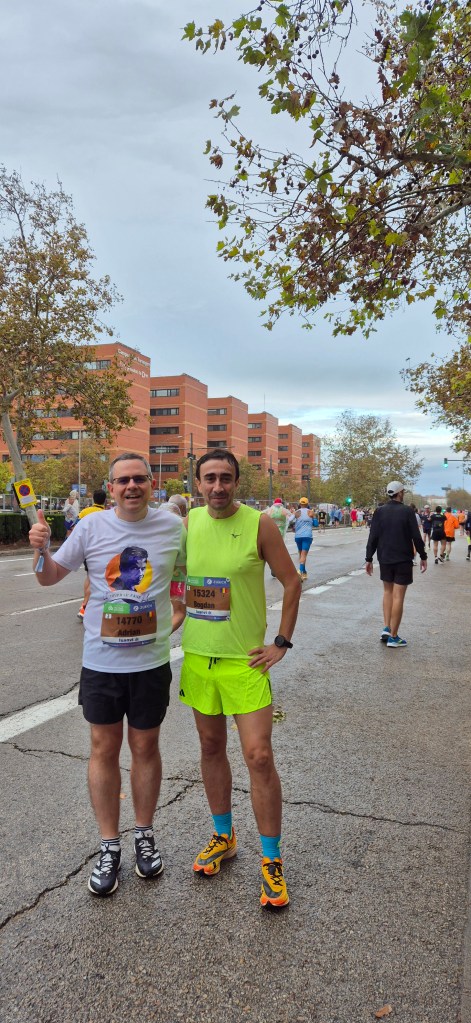
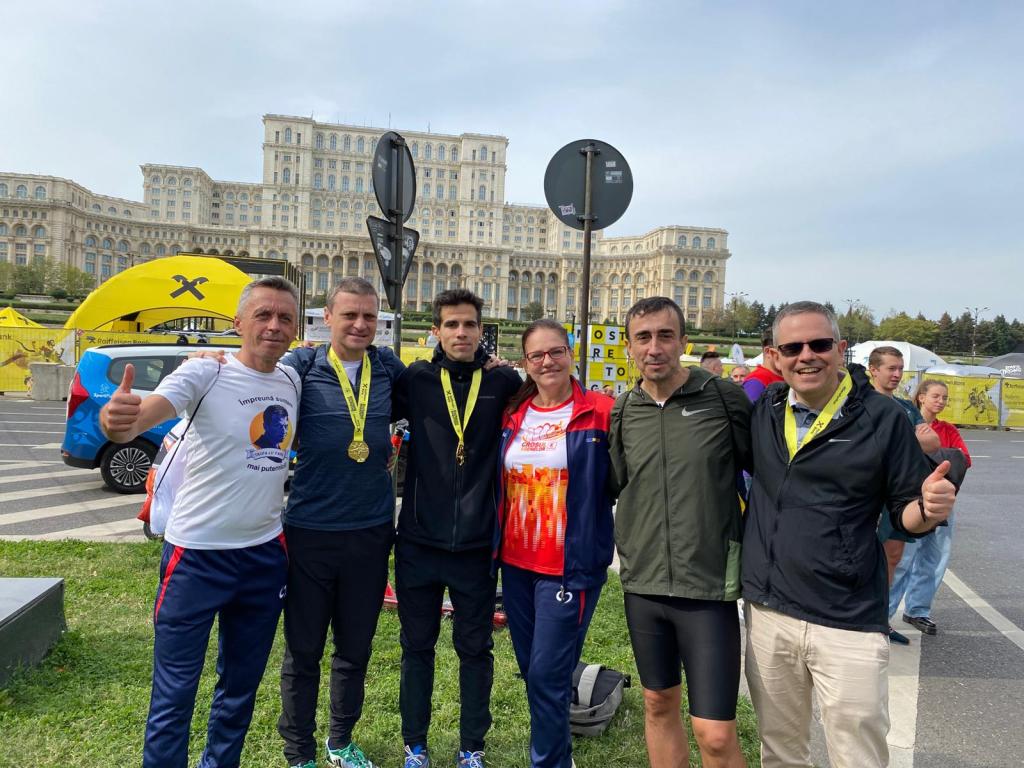
The weekend after Cardiff, I traveled to Bucharest to watch the Bucharest Marathon and encourage my colleagues from “Trupa Lui Fane”. They achieved great results, with four of them finishing the marathon in less than three hours! That reflects a lot of hard work and training. There were also good results in the 10K, half marathon, and relay races. Many thanks to our coach, Stefan Oprina, who has been training me remotely for the last four years!

With colleagues and coach after their race in Bucharest

Cardiff was a great experience, and I encourage you to try it; it will be fun!

Helsinki half-marathon

Helsinki offers three half-marathons over the summer, but the most interesting is the one during City Running Day. The main attraction of this half-marathon is finishing inside the stadium that hosted the 1952 Summer Olympic Games. There are not many races in the world inside an Olympic stadium. Another attraction is that most of the route is on the seaside of Helsinki, in nature, around lakes, and inside forests. It is not a typical city marathon.

Sightseeing from Helsinki route

The event was very well organized and had many positive aspects. Many volunteers were on the route, ensuring things were okay—this was a record number of volunteers for a race. They served water and isotonic every 4-5 km. People started in waves every 10 minutes, so it was not crowded at the start, and you could run faster if you wanted to and were able to.

During the race

I would have preferred that they don’t have hills. Also, about 5 km of the total distance is not on asphalt but on gravel. You will definitely end up with pebbles inside your shoes. These are not good conditions for me, but they might be suitable for other runners. For people who like to run in the mountains, this is much better than running only on asphalt.

The race day was perfect, with temperatures of about 13 degrees Celsius. The only problem was the wind. The Marathon started at 9:30 AM, and the half-marathon was held in the afternoon from 2:20 PM, similar to in Gothenburg.

On the Olympic Stadium

My race went according to plan for the first 3 km until I stopped to drink isotonic water. The hills came, and I went from a race mindset to a mood of enjoying nature and the moment and not focusing on the time to finish the race. I stopped and drank isotonic water at each post. Running on pebbles was also not fun.

Upon entering the stadium, I removed my cap as a sign of respect for the history of this temple of athletics. The finish was lovely, with many spectators encouraging the runners in the Olympic stadium. The organizers made the most of this attraction by charging a 50 euro entry fee for the Half-marathon and a 60 euro price for the pictures.

Prize giving for marathon runners

My friend Bogdan had an interesting number at the start. Compared with me, he is better trained and was able to focus on the race and finish in 1:47. If it wasn’t for the climbing and descending, he would have achieved a personal best at this race.

With Bogdan before the start

My main reason for choosing this race was the finish at the Olympic stadium. It was in this place, at the 1952 Olympic Games, that Emil Zatopek won gold at 5000m, 10000m and Marathon. No other athlete ever done that and very likely no one else will ever be able to achieve the triple win at an Olympics Game. I consider Zatopek the most remarkable human in athletics, not only for his results but also for the courage to always do what is right. In Czechia, they recently made a movie about his sports career.

Footage from the 1952 Olympic Marathon

Prague half-marathon

In 2024, Prague set a record for participants, with over 13,500 people at the finish. The previous editions had about 10,000 finishers, so there was a significant increase this year. More importantly, 57% of the participants were foreigners. The fact that the race is part of the SuperHalfs helps increase the number of participants.

On April 6th, the day of the race, it was hot in Prague. The temperatures reached 28 Celsius, and the sun was shining. These are not the best conditions for running a long distance.

The race route goes along the Vltava River and crosses five bridges between both sides of Prague. It continues in the old center through Venceslas Square and next to the famous astronomical clock. I am not a big fan of running on cobblestone. I prefer running on asphalt and visiting tourist attractions slowly and not during a run. The finish was in the same place as the start in Bubenské nábř. area.

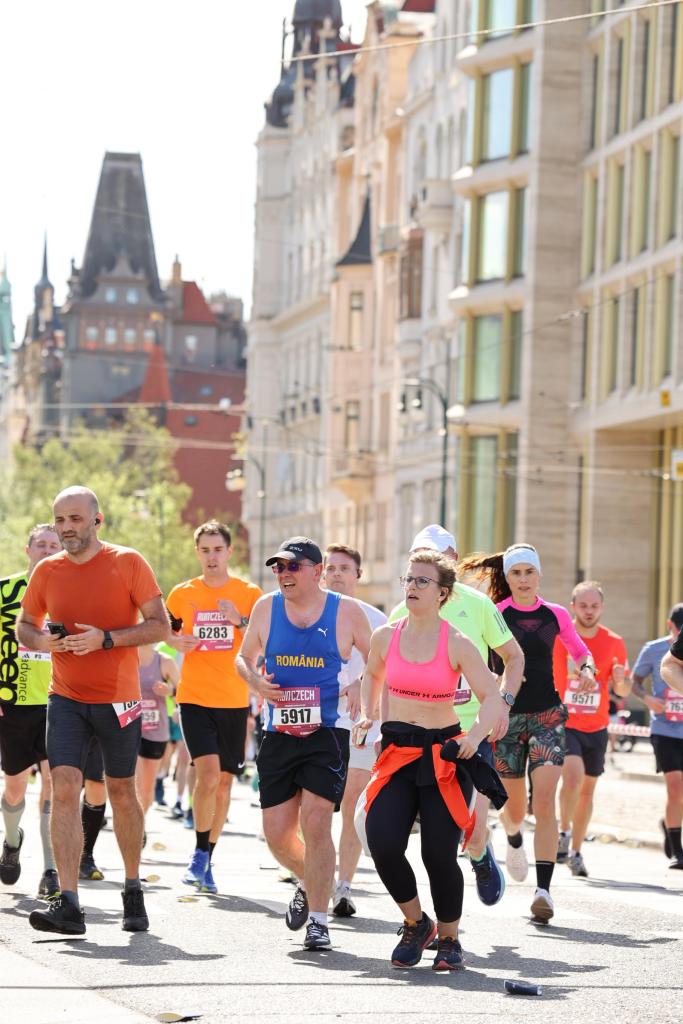
During hot weather, it is essential to choose carefully how you dress

My race went okay in these circumstances, as I know how to run safely in hot weather. If you want to survive a race in hot weather, you need to do a few things: stop and drink water or isotonic at every hydration point, wear a cap, wear a tank top (not a T-shirt), keep the pace in the safe zone, have a couple of gels with you.

I finished at 2:14 without any incident. It was my third-worst time ever, but that did not matter as I checked my third super half race and did not focus on time.

I am very serious about the weather problem while running. In Prague, 102 people fell on the street during the race for different reasons. Of these runners, 36 went to hospital. The authorities declared a trauma plan (a local form of a disaster plan). There was a campaign hospital called Golem at the finish line in a huge tent with air conditioning and ambulances driving people there and into the hospital. I lost the count of fallen runners I saw during this race. It was much worse than in Lisbon. In fact, the sound I heard most during the race was the sound of ambulances. The medical help was very well organized. As a kid in the 80s, I remember watching a Czech serial called “Sanitka” ( The Ambulance) on TV. It was like seeing scenes from those series in Prague that Saturday.

Muj cas

There are many news articles about the problems at the Prague half-marathon, all in the Czech language. I found this post by a Cardiologist, Hanka Štefaničová, who, as a participant, described what happened during the race very well.

What I learned. At the end of the race, there was a problem. The runners who finished had to go on a tight corridor guardrail by fences for 200 meters to get the medals, and then they would get water, bananas, and other refreshments from the organizers. A few volunteers handled medals to racers at the end of these fences. But too many people finished simultaneously, and the queue of racers waiting because of this bottleneck was very long. Imagine the situation: you run under the sun for more than 2 hours, then you have to stop under the sun for 10 minutes or more to wait for the medal. If you get no water, you will collapse.

After getting the medals, some runners understood the gap, took water bottles, and gave them to the people in the queue. I drank 2 such bottles until I got the medal. That saved the other runners and me while waiting in the queue. I know those were ad-hoc volunteers because they all had finishers’ medals on their chests. They were not organizers. At the time, I took the medal and was happy to get the baggage and talk to Bogdan after the race. It didn’t cross my mind to stay and become one of the ad-hoc volunteers to give water to people waiting in the queue. In my mind, I was a participant who finished the race and not an organizer. Sometimes, you need to get out of your role, become human, and do what it takes to help others, even if no one has asked you or is not expecting you to do that.

With Bogdan, after the race. He had a good race in these circumstances, finishing in 1:50

Some statistics are relevant to what happened. For races with many runners, I look at the time of the runner who finished precisely in the middle of all the runners. If the race has 10k finishers, I look at the time of the runner who finished exactly at 5k at the finish. The table below clearly shows how external factors influence race results.

CityDateFinishersMiddle time
Warsaw18.03.2024134221:55:20
Lisbon18.03.2024132472:02:40
Prague06.04.2024135572:03:40
There are considerable differences in time when the weather is hot. The route in Warsaw is more difficult than the other 2. I can say that as I ran all 3 half-marathons (Warsaw in 2022).

I have some suggestions for the organizers. For example, they could give runners bottles of water instead of glasses. The volunteers were overwhelmed and did not have enough time to pour water into glasses to give to runners. At the finish, they could have more people to handle medals. Also, if possible, provide water to people once they finish and don’t let them wait under the sun. Set the check time posts in the farthest areas of the route, where people need to turn around. This is a simple mechanism to avoid cheating.

Despite the problems mentioned above, the organizers did a good job overall. A positive note for the area to leave and pick up baggage: it was the best organized I have ever witnessed. The rest of the nice things are expected for major half-marathons: SMS with your result, pictures after the race, refreshments during and after the race.

As for my plans, I traveled by plane four out of five consecutive weekends in March and April for events covered in this blog. It is time to rest and train before my next half-marathon in Helsinki in May.

Trupa lui Fane’s motto: “Together we are stronger!”

Lisbon half-marathon

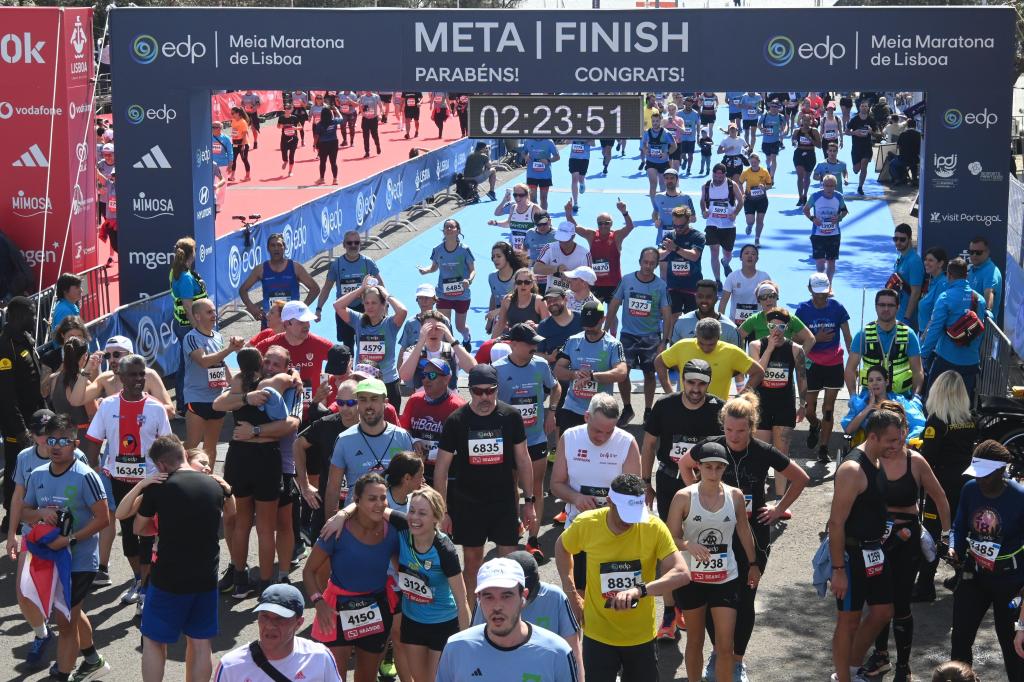
My running season this year began with the Lisbon half-marathon. Lisbon is part of Superhalfs, a series of 6 half-marathons you can complete in five years for an extra medal. Together with Bogdan, we registered for this race for a long time.

I returned to Lisbon after ten years and found the city had changed positively. Many buildings were renovated, the cost of living was good compared to central Europe, and people were very relaxed.
On March 17th, we took a morning train to Pragal station and followed the crowds to the start. The first negative surprise was that the organizers blocked the people from getting to the start line for a long time. The problem was that we had no space for warmup before the race. We stayed only in crowds until we went over the start line. This was the worst organization of a start to a half-marathon I have ever witnessed, and you can see I have some experience.
The run starts from Pragal, on the other side of the Tagus River from Lisbon. First, you cross the April 25th bridge. The Lisbon half-marathon is the only way a pedestrian can cross this impressive bridge. If you are afraid of heights, this might be an interesting challenge.

Then, the runners continue off the bridge in Lisbon. The first 5 km are in general descending which is appropriate for speed. From km 7 until the end, the race is flat on the shore of the Tegus River. The finish is next to Belem Tower in front of the spectacular Jeronimos Monastery.

At the start on the other side of the river Tagus from Lisbon

The second negative surprise was the temperature. That day, the weather went up to 27 degrees Celsius, but the main problem was that with a humidity of 80-90%, you feel the temperature is 35 degrees Celsius. If you don’t hydrate well, you risk not finishing the race. On a positive note, the organizers added ad hoc more hydration points towards the end of the race.

During this race, I saw at least 15 people who had fallen and were taken by ambulance or treated on the spot. This is a negative record. I’ve never seen that many people injured in a race. About 250 people abandoned the race.

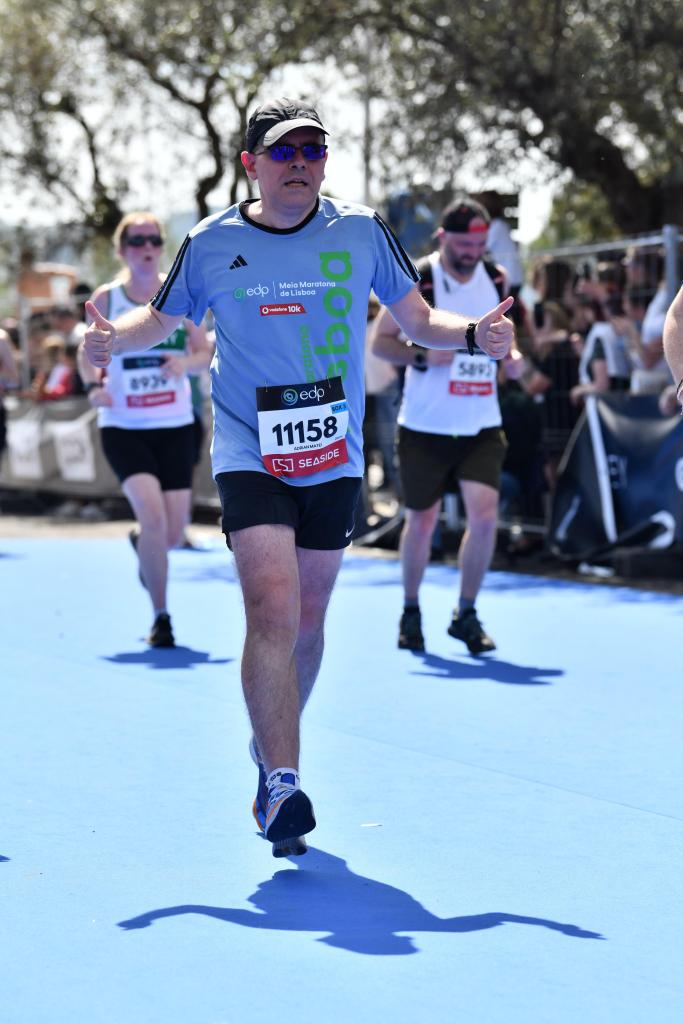
At the finish lane

As for me, I wanted to finish in less than 2 hours, and after 9 km, it seemed possible. Unfortunately, at that moment, the third negative surprise happened. As I later found out, I had some food poisoning from the day before, which made me look for a toilet. After solving the problem, I continued the race at around 6’30” pace until the finish line, which I crossed at 2:19. This was my worst time ever in a half-marathon, but I am happy that I finished the race. Even in this challenging situation, I managed to be in the top 10000 from 13200 finishers.

Happy people at the finish

On a positive note, Bogdan had a perfect race in such circumstances, finishing at 1:46:46 ( a time that happens to be my personal best). It was an excellent result for him, being 3062 out of all runners or the top 23%.
All’s well that ends well. Both of us finished the race on time and got medals. Later, I underwent antibiotic treatment, and I was fine.

With Bogdan after the race

Please find some insights for people interested in running this half-marathon in the future. Register at least half a year in advance as the race is quickly sold out. Try to get to the start as early as possible. We arrived at 8:55 ( while the race was scheduled for 10:05), but it needed to be earlier. The organizers created some bottlenecks around the start, and it took a lot of work to get there. The start and finish are not on the same spot, and you can’t bring stuff to leave at the garderobe and pick it back up after the finish. If it is a hot day, please wear a cap. It makes a big difference.

They say that the more challenging the race, the longer you will remember it. This was definitely a race I’ll remember.

Running 5555 km in 5 years

Since we’re all staying at home and I achieved the title mentioned milestone by running while we were still allowed to run outdoor, I thought to share here about how running changed my life.

On May 17th, 2015, almost five years ago, I left home with the goal to run for as long as I could at a low pace. My weight was over 90 kilograms and there were almost 20 years since my last one-kilometer run. That day, I was able to run one mile at a 7:30 min/km pace before I lost my breath. The next days the muscular pain was hard, I could barely walk and I was able to run again only one week later for two kilometers.

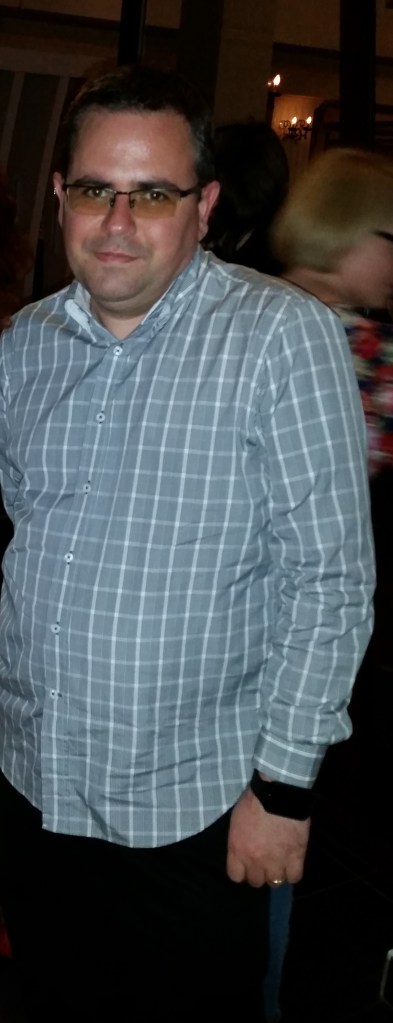
In 2015 just before I started running

From that moment, for every run, my goal was to stop running only when something in my body couldn’t continue. I was either losing breath, or my feet couldn’t keep the pace, or my liver or other internal organ told me to stop. In two months I reached the 5-kilometer mark. One month later I could run 10 kilometers. And in September, four months since I began to run I was able to run 18 kilometers. Very happy with my achievements, I registered for a half marathon (21.1 km) race in October 2015.

I was reading about other people’s experiences running a half marathon, how difficult it was for them during the race and how well they felt after they finished it. For me, it was a great experience only the first five minutes after the start. Until then I was running alone for five months and suddenly around me, there were ten thousand other runners. Because I was very excited I began to run too fast for my abilities and soon the energy left me. That race was a very painful experience and I felt no satisfaction once I finished the race after two hours and fifteen minutes of run.

I’ve learned from that painful experience and kept training. Next year, in May 2016 I finished the half marathon in two hours and four minutes, a considerable improvement. I was finally happy after a race. In the same year, in October, I finished it in 1:54, reducing the time by another 10 minutes.

In 2017 at Bucharest Marathon

In 2018 I joined “Trupa lui Fane” and achieved my current personal best time in October same year 1:46:46 based on the guidance I got from Stefan Oprina, our coach.

In October 2018, I achieved my best result so far. The photo was taken when I just crossed the finish line.

Here are some of the things I’ve learned during these five years of running.

It’s better to run in a group than only by yourself. I’ve been running three years alone and two years in a group. While I was running alone, my posture was incorrect and it took my coach a lot of time trying to adjust my running posture, which is better now but far from perfect.

While running alone I did no warm-up and as a result, I had many injuries which kept me from running for long period of times, even for one or two months.

Let’s say you can buy a book and start reading about how to properly train, but the experience of a coach weights a lot. He can see what is not ok with your running and can make recommendations based on his experience.

Running in a team is a really fun experience. In a team, people will encourage you because they all know how hard it is to run a half marathon or longer distances. They will also congratulate you on achieving your results or on finishing your races.

Running improved my health very much. Before running, I used to get tired easily. I also got cold easily. Since I go to the dentist every year I noticed a big improvement in my teeth’ condition due to running.

When you are running long distances you learn not to give up. As a chess player before I started running once I lost a game I used to lose other games as well. I couldn’t focus well. Running taught me to keep fighting and after a lost game to be able to come back. I would say that running long distances is a boost for self-trust.

If you run for, let’s say, 20 kilometers in the morning, you will feel great for the rest of the day.

I did lose weight, about 20 kilograms, you can see it from the pictures above. The best part of it is that I could still eat anything I wanted without any diet.

I met many people and learned about interesting life experiences and this enriched my horizon.

If you are a middle age person with no experience in running and you want to run there are many books and posts on social media about how to create good behavior.

But, more important, you need motivation. In this aspect, the trigger is very important and it will differ from person to person. Some run for fun, this is the smallest percentage, but they do exist. Obviously not the case of someone who starts running in the 30s, 40s or even later. For others it’s the competition, they like to compete and to win. For some it’s because they want to stay healthy, many runners are in this category. There are people who run to brag about it: “I do run marathons”. For some, it’s about their dreams, for others their demons. Some run to deal with grief and some to avoid life. Some people run because they want to learn how to fly, others are put in motion by the last verse from “Divina Commedia”.

Running it’s a fight with yourself, it’s about how you can control your emotions and a way to know yourself better.

Dear reader, find your inner motivation and running will help you deal better with life. Running it’s not an easy journey but it’s a beautiful one and it worth trying it.

This was my story and it still continues. If everything goes well, I will reach the 10000 km run milestone in less than three years from now. Since this post was a personal story about running, I thought it’s appropriate to end it with the soundtrack of the movie “Running“.

Michael Douglas – “Running”

Running a half marathon at Balkan Masters Athletics

This year edition of the Balkan Masters Athletics was organized in Bucharest. It was a competition open to all athletes from Balkan countries aged over 35. It had all the races you can see in the athletics section of Olympic games with some small differences, one being that instead of a marathon the participants run only a half marathon because it deals with people over a certain age.

It was a nice edition with many spectacular races. I liked watching the relays but also the spectacular 3000m obstacles or the 1500m race. Except for the half marathon, all the other events happened on “Iolanda Balas” stadium.

It was a good opportunity for me to see how prepared I am for the traditional half marathon I run every year in October.

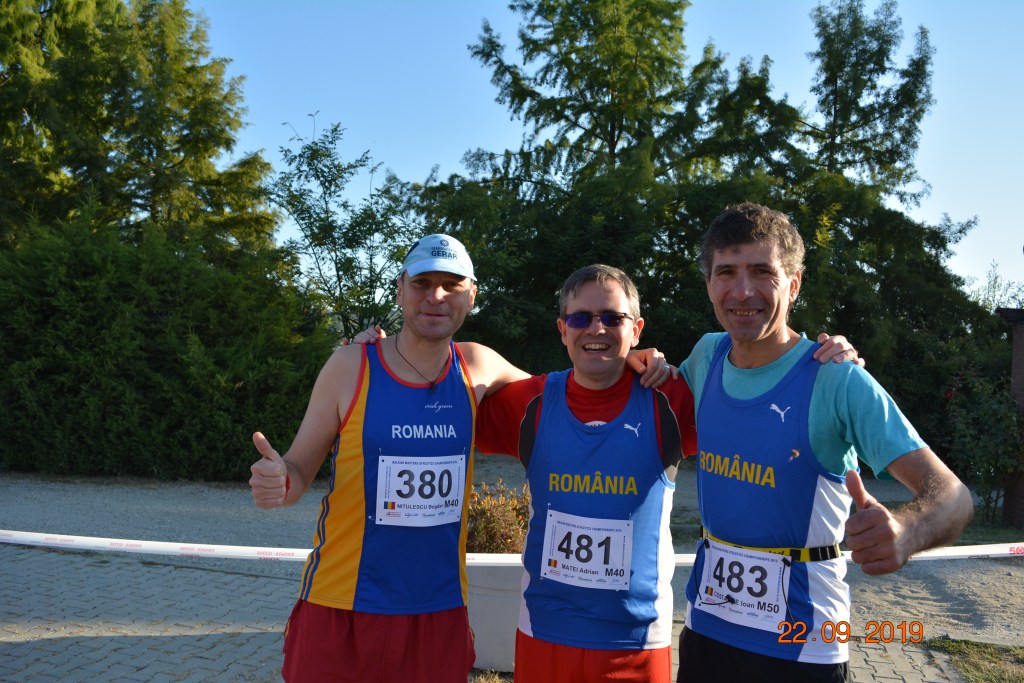
Together with my colleagues Bogdan and Ioan from “Trupa lui Fane” before the start of the half marathon. They both got bronze medals in their age category.

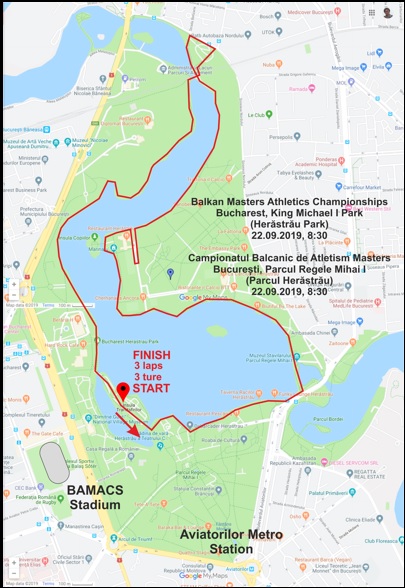
There were around 80 participants that started the race on a beautiful Sunday morning of September. We had to run 3 times around the Herastrau lake as shown in the map below where a lap is around 7 km long.

The map of the half marathon race

Constantina Dita, the Olympic champion, was invited to give the start signal for the race and she not only did that but she also watched the whole race and gave water to the thirsty runners after each lap. In the end, she congratulated the finishers. It was very nice of her to go the extra mile and I am sure that as myself all the runners really appreciated this. A warm thank you to all the arbiters and officials who were aligned on the route to make sure everything is ok. They stayed there for more than three hours until the race finished.

We took a picture with Constantina Dita before the race. She is the most famous Romanian athlete for long-distance running, besides winning the gold medal at Olympic Games in 2008 she still holds all the national records for women ranging from 10km to marathon.

As for the race itself, I started with a comfortable pace of 5 minutes and 10 seconds per kilometer and continued at that speed for 14 kilometers when a runner from Greece reached me from behind. In all the races before I focused on my run, but this time I made the mistake to compete with this guy. For the next 3 km, I had a pace of 4:50 which was too fast for me. As a result for the last 3 km of the race, I had an average of 5:24 and finished in 1:48:05 official time ranked 8th from 12 participants. While this is not my best time for a half marathon (1:46:46), I am happy with my performance, an average of 5:08 per kilometer for 21 kilometers. In the end, I congratulated the runner from Greece who finished two minutes ahead of me. Running and sport, in general, is about fair-play.

I would like to thank my coach, Stefan Oprina, the driving force at “Trupa lui Fane”, who is helping me for over a year to improve my running with great advice in cool training sessions together with many other runners.

With Stefan after he finished the 5000m race which he won. This is why he is inside the stadium while I am outside. Stefan got three gold medals in this edition of the Balkan Masters Athletics. His motto is: “Together we are stronger!”

Many thanks to Radu Neagu who made the photos above and sent them to me late in the night so I can write this article!

I liked this edition of the Balkan Masters and I would like to participate next year as well when will be hosted in Albania.

My next race will be at the traditional Bucharest Marathon on October 13th when my objective is to finish the half marathon in one hour and forty-five minutes.