
Running culture in Poland is booming, and the Warsaw Half Marathon 2026 proves it. With record participation, excellent organization, and a fast (but strategic) course, this race has quickly become one of the top half marathons in Europe. Celebrating its 20th anniversary, the event attracted 25,000 registered runners and sold out two months in advance. If you’re planning to run the Warsaw Half Marathon in the future, early registration is essential.
Despite the typical “10% no-show rate,” 22,492 runners finished the race, marking a 54% increase from 2025. Warsaw is no longer an underrated race, it’s now a major destination for runners across Europe.
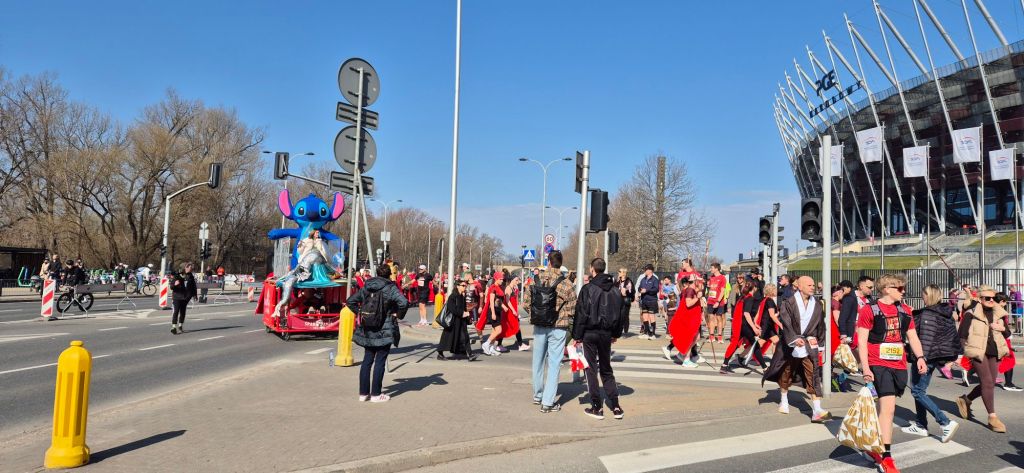
A Masterclass in Organization
The Warsaw Half Marathon stands out for its exceptional logistics and runner-friendly setup.
Wave starts were spaced 15 minutes apart, preventing overcrowding and ensuring a smooth race experience. Even starting toward the back, I had plenty of room to run and overtake others without friction, something rare in large city races.
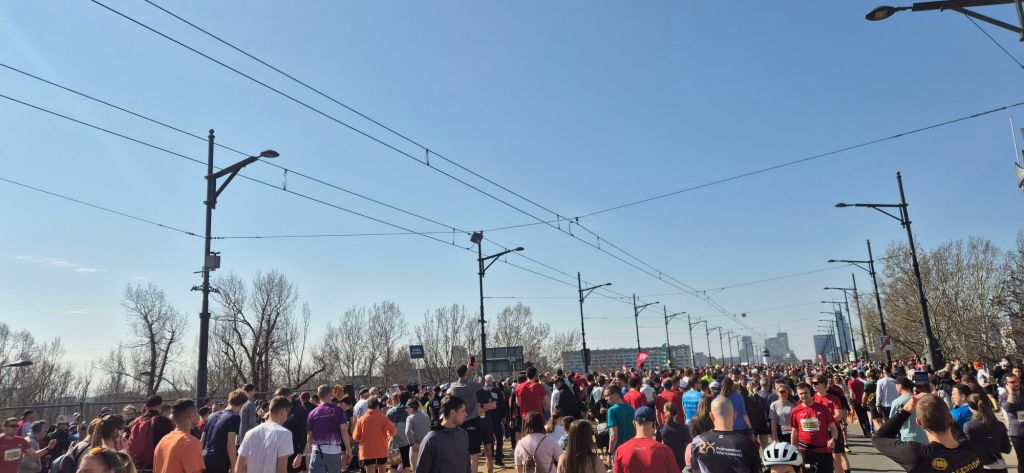
Key Highlights:
- Hydration stations every 4 km, with the final one at 18 km
- Wide, spacious roads throughout most of the course
- Free public transport for all runners on race day
- Affordable professional race photos (€10)
- Generous start/finish zones for warm-up and recovery
For anyone comparing European half marathons, Warsaw ranks among the best in terms of organization and runner comfort.
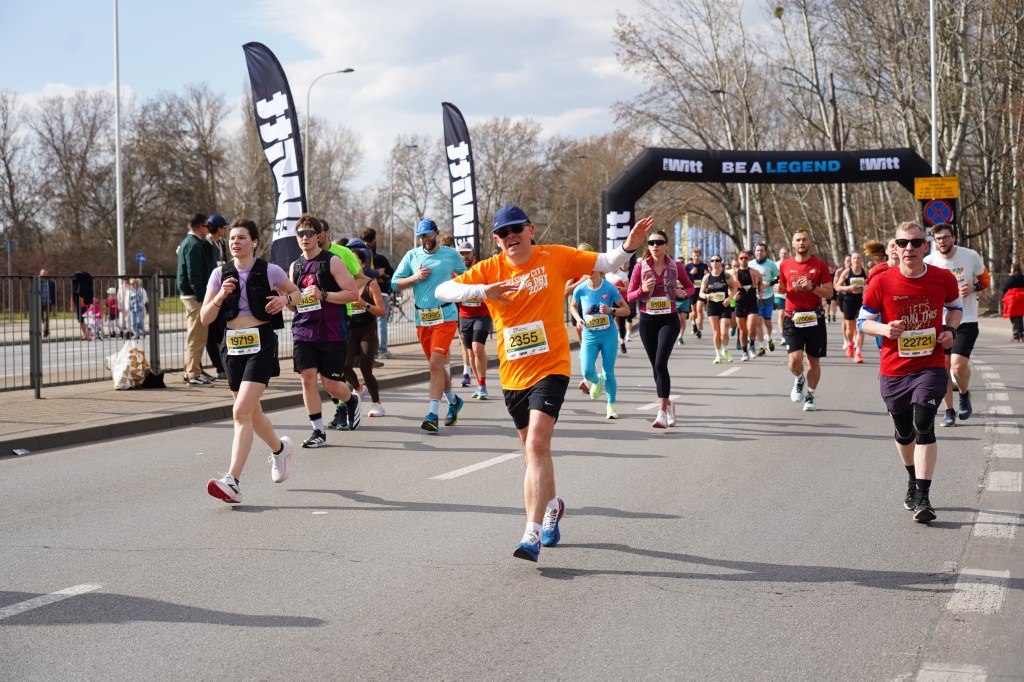
Strategy on an Ever-Changing Course
The Warsaw route evolves. Having run this race in 2022, I found this year’s path completely different. In 2026, we faced an immediate uphill climb in the first kilometer followed by a descent. The real challenge, however, was the climb between kilometers 14 and 16. My advice? Conserve your energy for that late-stage hill, then use the remaining distance to sprint home.
While the city center (first 4km) and the finish line were lively, the middle sections were a bit quiet. An American runner nearby noted the lack of crowds compared to races back home. However, the route’s sheer quality more than compensated for the sparse cheering.
Personal Milestones and Gear
The weather was perfect, a crisp 10-14°C. I started conservatively at a 5’40”/km pace for the first km. I gradually sped up and hit the 10 km mark in under 55 minutes. After a Maurten gel and conquering the kilometer 14 climb, I found my “second wind.” Over the final 5 km, I averaged 5’10”/km. In the last 200 meters, I even chased down the 1:55 pacer! I finished in 1:53:30—shaving 11 minutes off my Valencia time from last October. My Nike ZoomX Vaporfly 4 contributed to some of my success. They are easily the best shoes I’ve ever owned. But the other secret I will share it here after my next race.
I want to thank my coach Stefan Oprina for training me remote all these years! This helped me a lot to keep running.
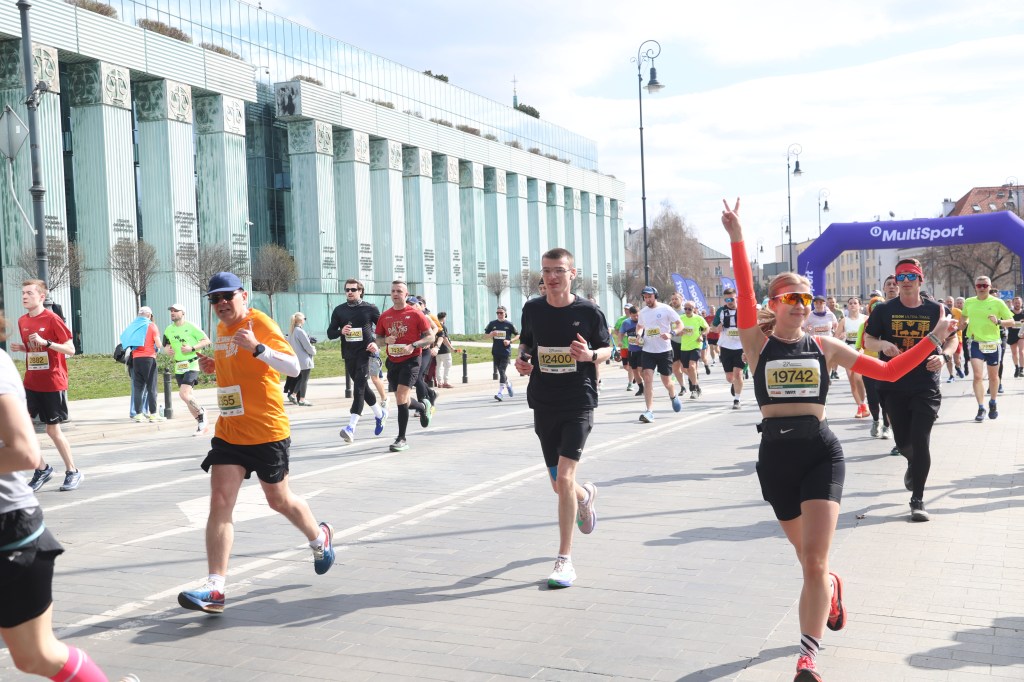
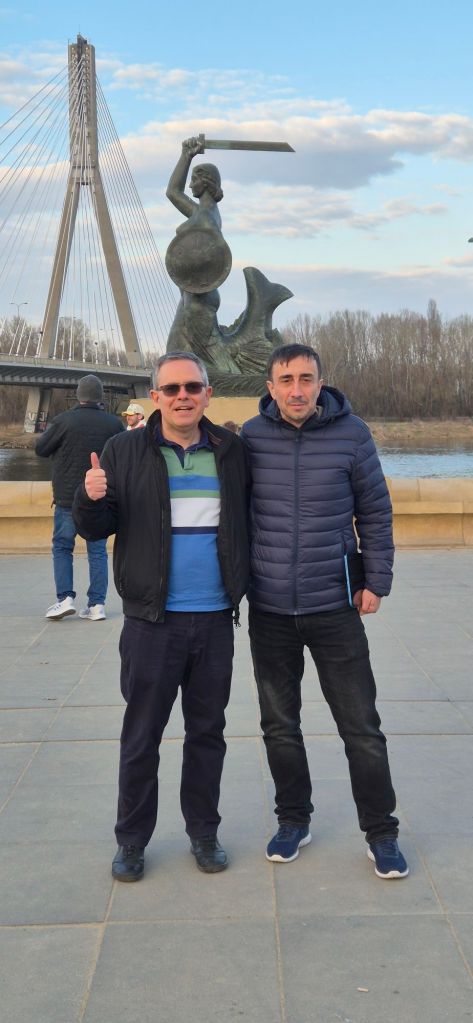
Together with Bobo we ran in Warsaw in 2022, it was our first half-marathon abroad. It was a great experience back then and decided to repeat it this year. The route was very different than in 2022. We started in different waves and met only at the restaurant after the race.
Bobo, also had a strong showing at 1:42:08. While the kilometer 14 hills thwarted his PR attempt, he matched his Berlin time from a year ago. It was a great return for both of us. Compared to our Warsaw run in 2022, Bobo improved by 7 minutes. I improved by 1 minute. It’s great to run faster than four years ago!
Final Thoughts
Two of my colleagues joined us this year for their first long-distance race. Watching their promising start reminded me why I love this sport. This race was a phenomenal experience. I highly recommend it to anyone looking for a well-organized, spacious, and fast European half-marathon.
PS: On a personal note, this race helped me reach a huge milestone. Since I started in 2015, I have now run one-third of the Earth’s circumference at the equator. Next stop: 15,000 km!
 Adrian Matei's blog
You must be logged in to post a comment.